EDITS.WS

Tag: business

  • 16 Best AI Chatbots in 2023 (Reviewed and Compared)

    Artificial intelligence (AI) powered chatbots are revolutionizing how we get work done. You’ve likely heard about ChatGPT, but that is only the tip of the iceberg. Millions of people leverage all sorts of AI chat tools in their businesses and personal lives. In this article, we’ll explore some of the best AI chatbots and what they can do to enhance individual and business productivity.

    What Types of AI Chatbots Are There?

    AI Chatbot platforms are built on some fantastic technology. Large Language Models have a knack for following complex instructions without breaking a sweat. Most AI bots are text-based, but some can generate images, video, code, and audio or even solve complicated math. They’re used in all sorts of applications, like image generators and article rewriting tools.

    They help humans with just about anything related to information gathering, pattern-making, and generally tedious tasks. Because of these unique features, they can fill many holes in business and personal productivity.

    Popular Use Cases for Business Chatbots

    • Chatbots schedule appointments and meetings, reducing the effort needed for staff and increasing efficiency.
    • Businesses can utilize chatbots to engage with website visitors, collect contact information, and qualify leads, resulting in easier identification of potential customers.
    • Chatbots can be used on company websites as live customer service agents. By directing users to relevant documentation, guides, and frequently asked questions (FAQs), chatbots enable customers to find the answers they need quickly.
    • Employees benefit from chatbot assistance in locating information, completing tasks, and accessing company resources, which leads to improved productivity and efficiency.
    • Chatbots also gather customer feedback, conduct surveys, and collect valuable insights and even come in WordPress chat plugins.

    How You Can Use a Personal Chatbot

    • Personal chatbots can be valuable research assistants, delving into topics of interest and providing suggestions for further exploration.
    • Chatbots can enhance the experience by offering conversation prompts, vocabulary lessons, and grammar tips when learning a new language.
    • Personal chatbots ensure you have various entertainment options by recommending movies, music, books, or events tailored to your interests and preferences.
    • Meal preparation becomes more enjoyable and efficient with chatbots that suggest recipes based on dietary preferences, provide cooking instructions, and assist in planning weekly meals.

    The Best AI Chatbots

    1. Writesonic (Botsonic + Chatsonic)

    Writesonic AI Chatbots Homepage April 2023

    Writesonic is a leading AI-powered platform that performs many tasks to help businesses with efficiency and creativity. Backed by Y Combinator, it has gotten a lot of attention and development. It offers different products using the same underlying AI technology to save businesses money. We’ll focus on two AI chatbot tools by Writesonic: Chatsonic and Botsonic. We’ll go over the key features and then explain who the whole Writesonic platform is for.

    Writesonic Library of Use Cases

    Chatsonic is an AI-powered chatbot by Writesonic that is a powerful ChatGPT alternative. It is built on top of GPT-4 but introduces other proprietary technology to bring even more capabilities for those used to the text-only output of ChatGPT. Botsonic is another integrated product from Writesonic that can create conversation AI experiences for your website users. It can connect your sales and support data to develop AI automated conversations with your customers and leads.

    Writesonic’s free plan includes 10,000 monthly words and access to nearly all of Writesonic’s features (including Botsonic and Writesonic)

    Key Features of Chatsonic:

    • Connected to the internet using Google Search technology
    • Generate AI art and images in the same chat flow
    • “Personality Avatars” can be set to help with different tasks (math teacher, translator, general AI, etc.)
    • Chrome extension to bring AI to all the places you write
    • Enter prompts using a voice command (you speak, and it listens)
    • Can cite sources (but still need to verify)

    Key Features of Writesonic:

    • No-code, website chatbot builder
    • Built leveraging GPT 4, arguably the most advanced AI model on the market
    • Brand customization is available and allows for changing chat window colors, logo, and avatar
    • Simple embed script + API that makes it usable on almost any website

    Best For:

    Chatsonic is ideal for businesses needing AI-powered personal assistants. Its personality avatars make it adept at performing specific tasks while still being able to do just about anything. As helpful as ChatGPT has been for teams, Chatsonic tries to be even more valuable by doing what it can’t. Botsonic is perfect for website owners who offer online customer support. Powered by GPT 4, Botsonic can leverage your customer support material and provide dedicated support to your customers 24/7.

    Pricing: Free plan with paid plans starting at $19/mo (30% discount for non-profits and students)

    Get Writesonic

    2. Chat by Copy.ai

    Chat by Copy.ai Landingpage April 2023
    Chat by Copy.ai is a versatile chatbot that works like ChatGPT but has access to more data and is trained for marketing and sales tasks. But it is also great as an all-purpose AI that can help with creativity, solving problems, and any writing task. Chat by Copy.ai is built for the workplace, and paid plans can be used across teams, starting with five users per account.

    Key Features of Chat by Copy.ai:

    • Access to the web so it can talk back with live information
    • Prebuilt prompts to save you time and get consistent results for routine queries
    • Go from a chat conversation to a long-form editor to create content with your AI assistant

    Chat by Copy.ai Screenshot

    Best For:

    Chat by Copy.ai is perfect for businesses looking for an assistant-type chatbot for internal productivity. It is built for sales and marketing professionals but can do much more. Since it can access Live-data on the web (and through API), it can be used to personalize marketing materials and sales outreach.

    Pricing: Free plan available with paid plans starting at $49/mo

    Get Chat by Copy.ai

    3. ChatBot

    ChatBot by LiveChat Homepage April 2023
    Chatbot by LiveChat is an AI chatbot provider focused on allowing businesses to provide excellent customer service using a live chat widget. It enables companies to create web chatbots and reduce dependencies on a 100% human support team. Its robust integration capabilities make it easy to incorporate into existing workflows and communication channels, including social media.

    Key Features of ChatBot:

    • Integrates with several chat services (WhatsApp, SMS, Email, etc.) to create a unified support platform
    • Provides customer support based on the integrated HelpDesk and can create support tickets
    • Display product cards in chat to develop leads and even customers through Conversational AI
    • Tag visitors for powerful marketing and CRM segmentation campaigns
    • Ten high-powered SaaS integrations + Zapier

    AI ChatBot Stories

    Best For:

    ChatBot is an ideal solution for businesses that want a customer-facing virtual chatbot solution for sales and customer support. It integrates with LiveChat’s other products, LiveChat and HelpDesk, to offer a 306-degree support system for any business. If your business is poised to scale into the major leagues, the LiveChat ecosystem is something to consider.

    Pricing: Starting at $65/mo

    Get ChatBot

    4. Jasper Chat

    Jasper AI Chat Page April 2023
    Jasper Chat is an AI chat platform built into one of the best AI writing software tools on the market. It is a prompt or command-based AI chat tool—put in a query or prompt, and Jasper will get to work. Built into Jasper Chat is a refining experience where you can slightly modify your prompt to optimize for a preferable generated output. It’s an ideal AI assistant with an easy-to-use chat interface.

    Jasper AI Chatbot

    Key Features of Jasper Chat:

    • Jasper is trained on data from as late as 2021, so it is behind the ball compared to Chatsonic
    • Quickly transfer chat outputs into Jasper’s long-form editor
    • Built for business use cases like marketing, sales, and business writing

    Best For:

    Jasper Chat is a decent chat assistant that can help you with writing tasks. Not the most advanced AI chatbot on our list, but it will likely mature as the rest of the Jasper platform has.

    Pricing: Starts at $24/mo for Jasper subscription, including Jasper Chat

    Get Jasper Chat

    5. Tidio+

    Tidio - Homepage April 2023
    Tidio is a customer service chatbot platform. Most of its plans help people build traditional chatbots based on workflows, but with their Tidio+ plan, users can get the power of AI incorporated into advanced chatbots that help reduce customer churn and improve retention.

    Key Features of Jasper Chat:

    • Tidio+ comes with unlimited chat interactions
    • Chatbot can handle conversations with customers but fallback onto live agents for a human touch when needed
    • It comes with a ticketing system when solutions will take a little bit of time
    • Ran from the cloud allowing operators to interact with customers on mobile device apps or using desktop applications

    Best For:

    Tidio is great for any business that has either a chat-based customer support organization or an inbound sales team. It integrates with major website platforms, including WordPress, as well as several popular messaging channels so you can deploy high-level chat solutions where ever your customers are. The AI tool is best suited for customer support for any business and automated sales chat with connected eCommerce stores.

    Pricing: Tidio+ starts at $329/mo, with non-AI chatbot plans starting Free

    Get Tidio+

    6. Liveperson

    Liveperson Homepage April 2023
    LivePerson is an advanced conversational AI chatbot platform. They built their platform to improve the old “rule-based” chatbot model that was limited to providing programmed responses based on keywords entered by the user. This was clunky and didn’t fit the nature of how language works. The new Conversational AI technology by LivePerson is much more powerful. It is based on natural language understanding (NLU) and natural language processing (NLP) to handle complex interactions and deliver natural-sounding responses. This allows companies to enhance customer experience, engagement, and support.

    Key Features of LivePerson:

    • Conversational AI technology for natural responses
    • Past AI chat interactions power and inform future conversations—Liveperson is always learning your business needs
    • Understands user intents to craft the best possible responses
    • Can connect with eCommerce platforms for conversation commerce experiences powered by AI chat

    Best For:

    LivePerson is for enterprise-sized businesses that want to leverage conversational bots across their business. It can be used in customer and eCommerce sales support and provide a casual chat experience across multiple mainstream messaging platforms.

    Pricing: Pricing not available; contact Liveperson for a custom quote

    Get LivePerson

    7. You.com

    You.com AI Search Engine Chat April 2023
    You.com is an AI-based search engine that also has a chatbot (YouChat) connected to it. Its powerful search algorithms enable it to understand conversational user queries and deliver accurate, context-aware answers. It can also interact with the prompter as it surfaces web results and creates custom answers in chat.

    Key Features of You.com:

    • Advanced AI-powered search capabilities
    • Context-aware chat responses
    • A great alternative to Bard or Bing AI
    • Includes AI search tools for generating various types of content including images, videos, code, and more.

    Best For:

    You.com is excellent for anyone surfing the web, especially those trying to avoid the obvious search giants (Google, Bing) and use something else.

    Pricing: Free search engine

    Try You Chat

    8. Ada

    Ada Homepage April 2023
    Ada is a customer experience-driven chatbot platform that streamlines support processes while delivering personalized interactions. The platform’s AI technology enables it to understand complex user requests and respond conversationally. It can connect with your operational technology to create a deep and relevant customer experience.

    Key Features of Ada:

    • Cross-channel AI chat conversations
    • Measure performance and iterate on how your chatbot works over time
    • No-code chatbot builder that is easy to deploy on a website
    • Multilingual (50+ languages) so you can deliver customer support at scale more accessible than ever
    • Integrates with 28 platforms (from eCommerce to appointment booking and more)

    Best For:

    Ada is the perfect solution for businesses that want an integrated chat solution that can pull from multiple business-critical data sources. Have it connect with your order management solution, helpdesk, or booking software to automate business processes at scale.

    Pricing: No public pricing; contact for a customized quote for your business

    Get Ada

    9. Laiye Conversational AI

    Laiye AI Chat Homepage April 2023
    Laiye Conversational AI is another cutting-edge AI chatbot solution that excels in automating customer service and sales processes. The platform offers comprehensive tools for designing, training, and deploying AI chatbots across multiple channels.

    Key Features of Laiye Conversational AI:

    • The AI assistant can collect information and qualify a customer before sending them to a human agent
    • Multi-channel deployment and integration so you can help people on your website and beyond
    • Real-time analytics and performance tracking to see just how much time and money you are saving
    • Rates and learns from its conversations, so it gets better at supporting your unique customers over time
    • SaaS and On-site versions of Laiye are available to fit the most complicated use cases that enterprises have

    Best For:

    Laiye is an enterprise AI chatbot and automation platform for businesses delivering support at scale. This platform should only be considered for large companies with large budgets. These companies stand to benefit from a lot of cost savings once deployed.

    Pricing: No public pricing is available; contact Laiye directly for a customized quote

    Get Laiye Conversational AI

    10. Botsify

    Botsify AI Chatbot Homepage April 2023
    Botsify is an easy-to-use chatbot platform that allows small-to-medium-sized businesses to create, deploy, and manage AI-powered chatbots for customer support and engagement. It is built to help automate sales processes and customer support and balance growing workforce needs with AI.

    Key Features of Botsify:

    • Multilingual AI chatbot
    • Whitelabel platform for agencies to offer chatbot building services
    • Integration with popular messaging apps and platforms
    • Integrates with WooCommerce and other eCommerce platforms
    • Agent fallback for when AI has done its job, but it is time for a human to step in

    Best For:

    Botsify is an excellent option for smaller businesses. It has most of the tools they’d need at pricing that matches their budgets. They offer a do-it-for-you development team that can help build you an AI-automated chatbot for business and help deploy it.

    Pricing: Starting at $49/mo for 5k chat interactions

    Get Botsify

    11. Bard

    Bard Homepage April 2023
    Bard is an innovative chatbot platform that leverages advanced natural language processing (NLP) and machine learning (ML) technologies to deliver engaging and intelligent conversations. Built by Google, Bard aims to be a helpful collaborator with whatever you bring to it. The platform focuses on providing human-like interactions and understanding complex user queries.

    Key Features of Bard:

    • Advanced NLP and machine learning capabilities
    • It acts as a personal assistant where you can ask it to follow prompts
    • Trained with internet data newer than ChatGPT

    Best For:

    Bard is perfect for anyone wanting help with anything that comes to mind (that can be expressed in text, at least).

    Pricing: Free to use

    Try Bard

    12. ChatGPT

    OpenAI's ChatGPT Homepage April 2023
    ChatGPT is the AI-driven chatbot of the hour. Created by OpenAI, it excels in providing contextual and meaningful conversations across various industries and topics. It is easy to use for countless personal and professional tasks like planning events, writing emails, and generating code. The paid version is based on GPT-4 which is trained on 45 gigabytes of data, making it one of the most prominent and valuable Large Language Models (LLMs). Paid users of ChatGPT have access to GPT-4 in its chat, but GPT 3.5 is available for all users (free and paid).

    ChatGPT Code Output Example

    Key Features of ChatGPT:

    • State-of-the-art AI models that are used as a base technology for many of the tools mentioned in this article
    • Context-aware conversationalist that remembers what has previously been stated to inform current responses
    • The gold standard of basic chat functions with very sophisticated responses
    • It can help write and fix multiple coding languages

    Best For:

    ChatGPT is a great companion assistant. This AI chatbot is great for fleshing out ideas and performing text-based tasks. It is usable in almost any domain with enough context and prompt engineering.

    Pricing: Free to use with the paid plan at $20/mo; API access costs are separate

    Try ChatGPT

    13. Zendesk Answer Bot

    Zendesk Answer Bot Homepage April 2023
    Zendesk Answer Bot is an AI-powered chatbot solution built into the popular Zendesk ecosystem of products. As another customer support-focused AI, Zendesk Answer Bot is excellent at taking support materials in Zendesk and leveraging those in conversational live chats with customers.

    Key Features of Zendesk Answer Bot:

    • AI-driven support automation that works 24/7
    • Bots can triage interactions and transfer customers without manual sorting
    • Multiple messaging channels such as Slack, website, and Facebook Messenger
    • Can collect personalized customer data for segmentation and issue tracking

    Best For:

    Zendesk Answer Bot is perfect for businesses already using Zendesk products and looking to enhance their customer support processes with an AI-powered chatbot solution.

    Pricing: Pricing is based on chat resolutions starting at $1 per resolution

    Get Zendesk + Answer Bot

    14. Landbot

    Landbot AI CHatbot Homepage April 2023
    Landbot is a versatile chatbot platform that enables businesses to create engaging, interactive chatbots for customer support, lead generation, and more. Their core product is more of a traditional chatbot though they’ve launched Landbot AI as a beta experiment for their chatbot platform.

    Key Features of Landbot:

    • No-code chatbot flow builder
    • Wide range of customization options and integrations
    • It can be used for customer support and lead generation

    Best For:

    Landbot is ideal for businesses with more minor chatbot needs. This can include wanting to automate your business’s most common customer interactions. Its intelligent chatbot features are in their infancy but will show a lot of promise once they are out of beta.

    Pricing: Free plan with 100 monthly chats and paid plans starting at $39/mo

    Get Landbot

    15. Drift Conversational AI

    Drift Homepage April 2023
    Drift Conversational AI is an effective enterprise chatbot platform that delivers personalized, engaging interactions to drive customer engagement and generate leads. The platform uses advanced AI technology to understand user queries and respond based on connected data sources. It goes beyond a chatbot by providing advanced landing pages and engagement options that bring even more data into your business.

    Key Features of Drift Conversational AI:

    • Real-time, AI-driven customer interactions via chat
    • Schedule meetings automatically by connecting Google or Microsoft calendars
    • Use conversational engagement to gather actionable data and to de-anonymize critical data
    • Conversational landing pages that sell and interact

    Best For:

    Drift Conversational AI is for enterprises wanting to bring conversational bots to live chat and marketing flows. It excels at filling a CRM with actionable data through automated conversations. It’s a high-growth platform for large-scale businesses.

    Pricing: Starting at $2,500/mo

    Get Drift Conversational AI

    16. Socratic

    Socratic - Homepage April 2023
    Socratic is an AI chat app that helps students with their learning goals. It uses AI to understand questions submitted by a wondering student and matches that query with the best online resources to help find an answer or to dig further into the topic. Users will need to download the Android or iPhone app, type a question into the chat, and surf the supplied resources related to the question. It works like a specialized version of Google Search, only completely tailored toward common learning objectives.

    Key Features of Socratic by Google:

    • Free chat app available on Android and iPhone platforms
    • Step-by-step help with math problems so you can break them down instead of giving the answers
    • Provides practice test questions so you are prepared for any subject with realistic questions
    • Surfaces helpful content and sources (including videos and diagrams) to help you learn complex concepts

    Best For:

    Socratic is for life-long learners and students. It’s best used for general academic subjects, and your mileage may vary when you get into graduate-level academics focusing on very narrow topics. If you are looking for a study partner, Socratic is always available and can even tutor you in a wide range of subjects. This is best for students who want to learn more efficiently and not just those who want to get the correct answers without putting in the work.

    Pricing: Free

    Get Socratic

    Conversational AI Chatbot FAQ

    What is the best AI chatbot?

    Many other chatbot services use ChatGPT’s underlying technology (GPT 3.5 and GPT 4). ChatGPT itself is one of the best personal chatbots out there. If you are using an AI chatbot for business, Writesonic and Chat by Chat.ai are some of the best to consider.

    Which AI chatbot is right for you?

    If you need AI-powered writing software + chatbots, check out Writesonic. Small businesses can try Botisfy or Zendesk Answers Bot for customer support, while enterprises may prefer Drift or Ada. For personal chat AI, try Socratic for students or ChatGPT/Bard for general use.

    What is an AI chatbot?

    AI chatbots are software applications that use artificial intelligence to simulate human-like conversations via messaging applications. These chatbots can understand natural language and respond to user inquiries, making them valuable tools for providing customer support and sales assistance around the clock without human intervention. Whether integrated into a website or used as standalone applications, AI chatbots can help businesses engage with customers conversationally and interactively, improving customer satisfaction and overall experience. With the ability to handle a wide range of inquiries, from basic FAQs to complex product and service inquiries, AI chatbots can be a valuable addition to any customer support or sales team.

    What is the Best AI Chatbot?

    There are all types of AI chatbots available online. Here’s a quick overview of our top choices.

    Tool Languages Starting Price Free Plan
    🥇 Writesonic 24 $19/mo ✔️ Yes Visit
    🥈 Chat by Copy.ai 27+ $49/mo ✔️ Yes Visit
    🥉 ChatBot 48 $65/mo ❌ Trial Visit
    4 Jasper Chat 30+ $29/mo ❌ Trial Visit
    5 Tidio+ 8 $329/mo ❌ Not w/ AI Visit
    6 Liveperson 28+ Must Request Quote ❌ Trial Visit
    7 You AI Search English Free ✔️ Yes Visit
    8 Ada 100+ Must Request Quote ❌ No Trial Visit
    9 Laiye Conversational AI 2 Must Request Quote ❌ Trial Visit
    10 Botsify 100+ $49/mo ❌ Trial Visit
    11 Bard English Free ✔️ Yes Visit
    12 ChatGPT 100+ Free ✔️ Yes Visit
    13 Zendesk W/ AI Bot 18+ $1/Resolution ❌ Trial Visit
    14 Landbot 5+ $39/mo ✔️ Yes Visit
    15 Drift Conversational AI 100+ $2,500/mo ✔️ Yes Visit
    16 Socratic 6 Free ✔️ Yes Visit

    Our Recommendations

    Writesonic arguably has the most comprehensive AI chatbot solution. Not only is it a powerful AI writing software, but it also includes Chatsonic and Botsonic—two different types of AI chatbots. All of these are available in its free plan.

    For businesses wanting to bring conversational AI to their support and sales operations, Botisfy and Zendesk Answers Bot are both within reach for most small businesses. Enterprises will want to look at Tidio+ or Drift/Ada.

    There’s no doubt that personal Chat AI is helpful as well. We recommend Socratic for students and ChatGPT or Bard for general-purpose AI chatting.

    Looking for other tools to increase productivity and achieve better business results? Check out all our recommended tools for website owners.

    Featured Image by Irina Strelnikova / shutterstock.com

    The post 16 Best AI Chatbots in 2023 (Reviewed and Compared) appeared first on Elegant Themes Blog.

  • How to Make Money Blogging (5 Ways)

    Starting a side hustle online can be a great way to boost your income and explore your passion. Plus, since you’ll only need your computer and a WiFi connection, you can do it from anywhere in the world. Still, you might not know how to get started.

    Fortunately, there are tons of ways to make money blogging. For instance, you can display advertisements, become an affiliate marketer, or create a membership site. 

    In this post, we’ll take a closer look at the benefits of starting a blog. Then, we’ll show you how to do this and discuss five ways to monetize your site. Let’s jump right in!

    Who Benefits From a Blog?

    First, let’s look at some ways that businesses and individuals can benefit from starting a blog.

    The Benefits of Blogging for Businesses

    A blog is a great addition to any business because it gives you a platform to drive organic traffic to your website. Additionally, since you’re able to target different keywords in each post, you’ll have more opportunities to show up in search engine results.

    On top of that, a blog can help your business generate new leads. All you need to do is add a captivating call to action to your posts to increase conversions:

    Add a call to action to your blog posts to generate leads

    What’s more, if you answer common questions in your posts, a blog is a quick way to establish your business as an industry leader. That way, readers can come to know you as the authority on a particular topic.

    Lastly, starting a blog enables you to establish meaningful relationships with customers. For instance, you might use the platform to share company news, celebrate achievements, or offer a behind-the-scenes look into your business.

    The Benefits of Blogging for Individuals

    Businesses aren’t the only ones that can benefit from starting a blog. Blogs are also a great way for individuals to establish themselves as content creators or influencers.

    That’s because starting a blog enables you to extend your social presence. For starters, you can share your content on different social networks to find new readers:

    Start a blog to expand your social presence

    Eventually, you may want to monetize your blog and start a passive income business. A blog is a great way to support this venture since posts can be discovered long after you publish them. Therefore, you can continue to get views, leads, and revenue.

    How to Start a Blog

    Now that you know the benefits of blogging, let’s take a look at how to get started.

    1. Choose a Niche

    The success of your blog can depend largely on choosing the right niche. A niche will determine the type of content you’ll create and the audience you’ll serve.

    Therefore, it’s a good idea to avoid saturated niches like fashion, beauty, and fitness. Choosing a more specific niche will make it easier to set your blog apart from the others.

    For example, if you want to start a food blog, you might narrow it down to gluten-free baking or family meals:

    Choose a specific niche for your blog

    Once you’ve settled on a niche, you can check whether this type of content is in demand by using Google Keyword Planner:

    Google Keyword Planner

    This enables you to see the popularity of certain keywords and search terms that people are using to find content online.

    Typically, it’s best to choose search terms and topics with enough interest. However, you might want to avoid topics that are very popular since they may be difficult to rank for.

    2. Install WordPress

    WordPress is a free, open-source platform where you can create and publish content. It supports tons of different types of content like pages, blog posts, and digital files. Plus, it’s easy to add videos and images to your blog to make your material more engaging:

    WordPress

    What’s more, you can use WordPress themes to get your site looking exactly the way you want. And, you can use plugins to expand the functionality of your site.

    If you have some technical knowledge, you might prefer to download WordPress yourself. Otherwise, you can find tons of quality web hosts that include WordPress installations as part of their services.

    3. Write Your First Post

    At this point, you’re ready to start publishing content. With WordPress, you can create your first post directly within the editor. Simply click on the + to add WordPress blocks for text, headings, images, and more:

    Write your first blog post

    To increase your visibility online, it’s a good idea to populate your content with keywords. You can find the right keywords for your blog using Google Keyword Planner. Then, you’re able to add these terms to text areas like headings, permalinks, and meta descriptions.

    If you’re happy with your post, click on Publish. Or, you can hit Save draft to finish it later.

    How to Make Money From Your Blog (5 Ways)

    Once you’re posting consistently and you’ve acquired an audience, it might be a good idea to monetize your blog. Here are five ways to get started.

    1. Become an Affiliate Marketer

    One of the best ways to monetize your blog is with affiliate marketing. This is a great way to earn a passive income. It’s also well suited to blogging because you’ll find plenty of opportunities to include affiliate links in your content.

    Affiliate marketing involves partnering with brands or individuals that occupy the same niche or share a similar target audience. For instance, one of the most popular affiliate programs is Amazon Associates which enables you to earn a 10 percent commission on qualifying purchases:

    Amazon Associates affiliate program

    Once you’ve been accepted into your preferred affiliate program, you’ll be given a unique affiliate link to place on your website. This link may lead to the company’s site or to a specific product that they want you to promote.

    Typically, if someone clicks your link and then makes a purchase, you’ll earn a commission from the sale. Although, some brands will pay you simply for directing traffic to their pages.

    2. Create a Membership Site

    A membership website is a great way to monetize your blog. It also enables you to build a community of like-minded people. There are different ways you can execute this strategy.

    First, you can make some of your content accessible to visitors and then save your best pieces for members. In this case, users will need to purchase a membership on your site to read your premium posts:

    An example of a membership site

    Or, you can create a full membership site that can only be reached by those with an active membership to your blog.

    To get started, you’ll need to use a plugin like MemberPress. This enables you to set up multiple membership options. Then, you can use the plugin to protect your premium content with membership rules.

    3. Display Advertisements

    Advertisements are an easy way to monetize your site since they don’t interfere with your content. However, it’s important to be aware that ads can disrupt the User Experience (UX).

    You can sell your ad space directly which gives you more control over the companies you work with. For instance, you’ll be able to set your own rate and determine the position of ads on your pages. But, you’ll need to be comfortable handling negotiations yourself.

    If you don’t want the responsibility of finding advertisers, you can sell ads using Google AdSense:

    Google AdSense homepage
    Google AdSense

    Google AdSense is an ad network that matches advertisers with businesses selling ad space on their websites. It enables you to present more user-friendly ads that are tailored to your visitors.

    Every time a user clicks on your ad, you’ll get a percentage of whatever the company pays Google. While this method is much easier, you’ll have to split the revenue with the network.

    4. Sell Physical or Digital Products

    If you run a business, you might already have physical products to sell. On the other hand, you might be able to make physical products such as personalized items that you see on marketplaces like Etsy.

    In this case, you can use a plugin like WooCommerce to transform your blog into an online store:

    WooCommerce

    Then, you can add a payment gateway to your site to accept and authorize payments.

    Alternatively, if you don’t want to concern yourself with inventory space or shipping costs, you can always sell digital products. Easy Digital Downloads is a great tool for the job:

    Easy Digital Downloads

    For example, you can sell photographs, prints, guides, eBooks, and more.

    Then, your blog can function as the perfect platform to promote these products. You can do this directly, by creating fresh posts for new product launches. Or, you can write tutorials, product reviews, or roundups that highlight your items.

    5. Accept Donations

    The easiest way to make money blogging is to simply ask readers for donations. You might feel uncomfortable doing this at first, but if you’re offering enough value, some visitors will be happy to contribute.

    You may not earn lots of revenue this way. However, as a new blogger, it could be enough to cover basic costs like hosting, themes, and plugins.

    To get started, you can launch a crowdfunding campaign with a platform like JustGiving:

    JustGiving

    Alternatively, you can collect donations using a plugin like GiveWP.

    It’s also a good idea to maintain transparency when asking readers to make payments. Therefore, you’ll want to tell readers what the money is going towards.

    Conclusion

    Starting a blog is a great way to generate a passive income so that you can make money even as you sleep. Better yet, there are plenty of accessible and beginner-friendly monetization options.

    To recap, here are five ways to make money blogging:

    1. Become an affiliate marketer
    2. Create a membership site
    3. Display advertisements
    4. Sell physical or digital products
    5. Accept donations

    Do you have any questions about how to make money from your blog? Let us know in the comments section below!

    The post How to Make Money Blogging (5 Ways) appeared first on Torque.

  • 10 Best Ecommerce Platforms in 2023 (Compared)

    The best eCommerce platforms give you the power to sell your products and services online easily. If you’re selling services, physical products, or exclusive access to your content, there is an eCommerce platform that will meet your criteria. However, not every platform is built the same. The right platform for your business will depend on your industry and the products or services you offer. In this post, we’ve provided a list of the best eCommerce platforms you should consider before you start showcasing your talent and expertise in the digital marketplace.

    What are Ecommerce platforms?

    An eCommerce platform is software that allows you to sell physical or digital products online. They can come in the form of a website builder, a content management system (CMS), or a WordPress plugin specifically designed with tools to support online sales. They can help you build your storefront, manage your products, collect payments, and integrate with shipping providers.

    Depending on the eCommerce platform that you choose, they may have third-party integrations that connect to POS systems, mobile devices, or apps, bringing your online store offline into the real world. No matter what you want to sell, there is an eCommerce platform that can handle the job.

    The 10 Best eCommerce Platforms

    The best eCommerce platform for you depends on important factors that you need to consider, including ease of use, features, and, of course, price. Most importantly, you will want a platform that can scale your business. Thankfully, we’ve done the research for you. Check out our list below to find the right platform for you and start building your online store today.

    1. WooCommerce

    WooCommerce eCommerce platform

    WooCommerce is touted as being the top eCommerce plugin for WordPress. This mighty eCommerce platform works on any WordPress website and puts customization directly into the hands of the shop owner.

    There are thousands of paid and free themes that you can use to use your online store. Scrolling through Creative Market alone will show you WooCommerce themes to match any brand, store, or style you could imagine. Using a powerful website builder like Divi also takes your store customization to a whole new level.

    WoCommerce allows you to create digital and physical products right out of the box. Products can have galleries, descriptions, attributes, reviews, and categories. And its powerful CMS makes product management simple and efficient. To collect payments, WooCommerce integrates with PayPal, Stripe, and WooCommerce Payments. Or, you can find a payment plugin that can hook up with your chosen payment processor. WooCommerce also supports a variety of add-ons and other plugins to extend functionality beyond what is native to the platform.

    WooCommerce connects with many third-party platforms for shipping, payment marketing, and more. As the platform is based on WordPress, you can trust that WooCommerce plays nicely with popular SEO plugins like Yoast and Rank Math to help boost your ranking in the SERPs.

    Key Features of WooCommerce:

    • 1000s of free and paid themes
    • 1000s of plugins and integrations
    • 130+ region-specific payment gateways
    • Strong focus on SEO-optimized product pages
    • Automated tax and shipping calculators
    • Sell in multiple currencies and languages

    Divi and WooCommerce custom templates in the Theme Builder

    With page builders like Divi, it’s possible to build custom checkout, cart, and other eCommerce-related pages on WooCommerce. Divi comes with over 30 native modules that can be customized and placed into any design template that you think to create in its powerful Theme Builder. This functionality isn’t just limited to Divi; many other page builder plugins can style WooCommerce to a high degree.

    Best For:

    If you want complete end-to-end control of your eCommerce platform, WooCommerce is your tool. Whether it’s design or integrations, with full access to its code, WooCommerce is an excellent choice for the store owner who values and welcomes customization over all else.

    Pricing: Free, Paid add-ons are available

    Get WooCommerce

    2. Shopify

    Shopify website builder and eCommerce platform

    Shopify is a global leader in the eCommerce space. With more than 2 million stores built, it is considered one of the best all-in-one eCommerce solutions for many store owners. With Shopify, you can create an online store quickly with their simple and easy-to-use website builder. There are an array of paid themes for Shopify both on their platform, as well as on third-party marketplaces. Additionally, the Shopify app store allows you to integrate with apps for everything from shipping to order management and marketing to design tools.

    Shopify is the best eCommerce platform for shop owners planning to scale their stores. Compared to WooCommerce, you won’t have the same degree of autonomy over your website. Nevertheless, you gain a level of peace knowing that all the technical heavy lifting is done for you. You will not need to worry about security, hosting, domains, etc. Plus, you’ll enjoy built-in tools for things like email marketing and SEO. The platform has built-in SEO fields for products and pages, but you may need to rely on an app for deeper insights and control.

    Key Features of Shopify:

    • Clean and simple website builder
    • 100s of mobile-responsive, editable themes
    • Integrates with a large number of shipping, marketing, and order management platforms
    • Extensive management for B2B and B2C customers
    • Native email marketing and payment processing (Shopify Payments)
    • Comprehensive analytics and reporting dashboard

    Tracking profit margin and costs in Shopify

    Ensure your store is profitable by seeing your profit and profit margin by entering your cost per item in Shopify. Tracking this information ensures you are seeing a return on your investment. Furthermore, tracking this type of information will grant you powerful business insights through Shopify’s analytics and reporting tools.

    All in all, if you want to build a store that quickly grows with your business, consider choosing Shopify as your eCommerce platform.

    Best For:

    If you are a store owner with big dreams, Shopify is for you. With this platform, you don’t have to think about security, hacking, or hosting, as they take care of everything for you. Build big, scaleable eCommerce websites with Shopify.

    Pricing: Paid plans start at $37 per month

    Get Shopify

    3. Squarespace

    "</a

    Squarespace is an eCommerce platform with a deep focus on aesthetics, making it a popular solution for artisans and creatives. It has a library of trendy and modern templates to make your store look amazing. While it does not have the most extensive integration library, Squarespace has apps available to extend functionality. Your Squarespace website can connect to third-party platforms like Printful, Aftership, and FreshBooks, to name a few.

    The platform allows you to sell a wide variety of products. Memberships, video on demand, physical products, and more can all be sold easily with Squarespace. Regarding SEO, Squarespace allows you to customize page URLs and meta descriptions and connect to Google Analytics, but not much else. However, Squarespace has a directory of experts who can help you optimize your site for SEO and branding, paid ads, and more, should you need further assistance.

    Key Features of Squarespace:

    • Feature-rich page and website builder
    • Flexible product types
    • Custom checkout forms
    • Sell products on Facebook, Google, and Instagram
    • Buy and print USPS shipping labels via the web or app
    • Native email marketing software

    "Custom

    Squarespace gives you the power to add custom fields to your checkout form. Additionally, the form field comes with various fields such as time and date, radio buttons, dropdowns, and much more.

    Best For:

    For the creative, Squarespace’s eCommerce platform will help you easily create a beautiful store. Also, if you are a service provider who relies on paid bookings (think consultants, stylists, technicians, etc.) Squarespace’s Acuity Scheduling is the perfect fit for your business.

    Pricing: Paid plans start at$36 per month

    Get Squarespace

    4. Ecwid

    Ecwid by Lightspeed eCommerce Platform

    With Ecwid, you can sell your products and services anywhere using a flexible eCommerce platform. If you want to have a multi-channel store, Ecwid will be a welcome solution for your business. Whether you want to sell on marketplaces like eBay or want to sell on your own website, Ecwid helps you manage all your sales channels from one powerful platform.

    If you choose to build your website with Ecwid, you can use their themes to help design your online store. Their website builder isn’t as robust as others, but you can quickly build your site without code.

    On Ecwid’s platform, you are equipped with a variety of marketing tools. You can offer promotional pricing, discount coupons, and volume discounts without additional plugins or apps. You can also send out email newsletters or generate ads for Google and Facebook. Taxes are automated with Ecwid, and you can show live shipping rates to your customers.

    Key Features of Ecwid:

    • Build your website in minutes with no code
    • Sell products on multiple sales channels like eBay, Amazon, Google, and Facebook
    • Point-of-sale (POS) tools to sell offline
    • 50+ payment options, including native payment process Lightspeed Payments
    • Offer and manage shipping, delivery, and pickup
    • Multilingual

    Different shipping methods Ecwid

    Ecwid provides you with many options when it comes to shipping, delivery, and pickup of your products. Like other platforms, it connects to shipping providers for live shipping rates. But it also has deeply customizable options for pickups and local delivery. You can set zones where local delivery is possible. You can set schedules for self-pickup. Additionally, you can add a calendar to your checkout page to request pick up dates and times from customers.

    Best For:

    If you manage multiple sales channels across social media and marketplaces, consider building your online store on Ecwid. You will enjoy organizing, managing, and tracking your sales, products, and customers from one platform.

    Pricing: Free, Paid plans start at $19 per month

    Get Ecwid

    5. BigCommerce

    BigCommerce eCommerce platform

    BigCommerce is an eCommerce platform that has a comprehensive suite of tools for businesses of any size. It can be used as flexible open source software or as an all-in-one SaaS platform for building your online store.

    With BigCommerce Essentials, their hosted eCommerce platform, you can have full control over your building your online store. Firstly, their page builder comes with many widgets that you can use to create unique pages. Secondly, you can edit the code of the free and paid themes within their library or create and use your own theme if you know how to code.

    BigCommerce’s collection of apps covers everything from design to shipping management, order fulfillment, and more. For SEO, BigCommerce allows you to set your page title, meta description, URL, and Open Graph sharing settings. You can create and manage promotional banners on BigCommerce that show at certain times and locations on your site. Additionally, it is easy to customize your transactional and abandoned cart emails for your customers to increase your average order value.

    Key Features of BigCommerce:

    • Drag-and-drop page builder
    • Upload and use custom page templates and themes
    • Script manager for custom code snippets
    • Personalize B2B and B2C sales with price lists
    • Import customers, orders, products, and tracking numbers
    • Custom gift certificate templates

    BigCommerce's product filters feature

    BigCommerce’s Faceted Search improves your site’s search speed and accuracy (Something not native to other platforms like WooCommerce). Product filtering is available in all BigCommerce paid plans and is automatically generated from your product categories and custom product fields. You can add new categories and bring additional products to the forefront, all through drag-and-drop.

    Best For:

    If you don’t want the complete freedom that WooCommerce provides its users, BigCommerce is a good option. Having the opportunity to customize page templates as well as theme code is made easy with this platform.

    Pricing: Paid plans start at $29 per month

    Get BigCommerce

    6. Square Online

    Square Online

    Square Online is an online eCommerce platform by the payment processor Square. It is important to note that Square recently acquired Weebly to merge its platform with the powerful website builder. So, an account on Weebly or Square would lead you to the same interface, with different access rights, depending on the plan you decided to purchase from either Square or Weebly.

    Square Online’s builder is simple to use but has fewer features, widgets, and customization options than the other eCommerce platforms in our list. While it does have an app marketplace, it is not as large as WooCommerce or Shopify. Nevertheless, you can connect with platforms like OpenTable, LinkTree, and GoDaddy.

    With Square being a payment processor, it is at the forefront of equipping its customers with various ways to get paid. Vendors who want to give their customers options like buy now, pay later, Apple Pay, Google Pay, or Cash App Pay will love Square Online’s flexibility in collecting payments.

    Square Online provides you with the basics for SEO, like 301 redirects, search engine visibility, and the customary meta title and description for products and pages.

    Key Features of Square Online:

    • Clean and minimalistic store builder
    • Sophisticated machine learning to spot and block payment fraud
    • Sell in-person with cutting-edge POS hardware and software
    • Email and text alerts
    • Quickly make a link, buy button, or QR code to take online payment
    • It can be integrated with other eCommerce platforms like WooCommerce, Ecwid, Wix, and more

    Square popup maker

    Square Online allows you to create and manage a variety of popups easily and quickly from its interface. Whether you want to offer a coupon code to clients or prevent minors from accessing your site, you can do all this without using additional plugins or code snippets on the Square Online platform.

    Best For:

    Brick-and-mortar stores looking to consolidate their online and offline presence will benefit from Square Online’s tools. With its simple setup and varied ways to capture payment, it is easy to integrate or replace outdated offline payment systems with Square Online’s platform.

    Pricing: Paid plans start at $35 per month

    Get Square Online

    7. Wix

    Wix Website Builder

    Wix is an all-encompassing eCommerce platform that covers many bases. For starters, it has a great visual website builder that allows you to design your online shop as you see fit. It has a theme library boasting over 500 designer-created themes that come with a set of pre-designed and editable sections and widgets.

    Regarding external integrations, Wix’s app marketplace makes interconnecting with various platforms around the web simple. There are apps for design, marketing, and much more that can be added to your site with a click.

    Wix takes SEO very seriously. You can edit and set custom URLs, meta titles, and descriptions, and you can add and set values for other meta tags of your choosing. You can add values to your robot.txt files with a click. Creating structured data markup is also supported.

    Key Features of Wix:

    • Sell both physical and digital products
    • Powerful drag-and-drop builder for pages and products
    • Advanced SEO tools and features
    • Built-in loyalty program
    • Native tools for email marketing, Google & Facebook ads, Google Shopping, and more
    • Multi-channel management and selling through eBay, Facebook, Instagram, and more

    Custom product page with Wix

    Wix’s page builder is a standout point of the platform. It is powerful enough to allow you to customize not only standalone pages but product pages as well. You can determine where thumbnails show, what attributes are shown (think price, SKU, quantity, etc.), the text on buttons, and much more.

    Best For:

    Small business owners and users who want various advanced features while balancing the perks of having a hosted eCommerce platform can benefit from using Wix.

    Pricing: Paid plans start at $21 per month

    Get Wix

    8. PrestaShop

    Prestashop eCommerce platform

    Prestashop is an open-source eCommerce platform similar to both WordPress and WooCommerce. It comes packed with tools, modules, and features that many of its competitors provide as paid add-ons. Since Prestashop is open-source, you can edit its code, build your modules and design your templates. Apart from WooCommerce, this level of customization and flexibility is unseen among others on our list.

    Prestashop’s page builder allows you to customize most of your site’s pages and hooks. However, it is not a visual builder. Therefore you will not get real-time feedback on the changes that you make to your site. You can install a page builder addon to the platform to add this functionality.

    For SEO, Prestashop emphasizes helping your store get discovered in search. Robots.txt files, schema, and more can be configured and optimized easily.

    Because Prestashop is open-source, you will be responsible for handling your store’s hosting, security, backups, and general maintenance. However, Prestashop does have a hosted option that you could consider if you would rather not deal with these things. It also has a directory of Prestashop Experts that you could reach out to if you would prefer to pay a professional to assist you with your shop.

    Key Features of Prestashop:

    • Open source
    • Deep customization with code and templates
    • Import geolocation packs with regions, taxes, current, language, and units
    • Hande customer support requests and queries within the platform
    • Built-in cache addon
    • One-page checkout

    Caching with Prestashop

    Prestashop’s built-in performance system gives you the same features as some of the well-known optimization and caching plugins of WordPress. You can minify your code or connect to external media services. There’s the option to choose your caching type or disable the use of cache altogether. As with other open-source projects, the choice is yours.

    Best For:

    For shop owners who want an alternative to WooCommerce, consider Prestashop. The same code and platform freedom levels that WooCommerce provides can be found with Prestashop.

    Pricing: Free, Paid addons are available

    Get Prestashop

    9. Big Cartel

    Big Cartel eCommerce Platform

    Big Cartel is an eCommerce platform that (like Squarespace) is geared toward the needs of makers, artists, and creatives. Although Big Cartel’s theme library is the smallest on our list, all their themes are free. And you can make their themes your own with a little bit of CSS. Big Cartel natively supports payment processing by PayPal and Stripe. However, these are the only payment processors that they are connected with. Additionally, Big Cartel does not have an app store, so third-party integrations require more effort than other platforms.

    Unfortunately, Big Cartel does not have many robust SEO features outside of allowing you to customize the slug for your products and pages. Despite being relatively lean compared to other eCommerce platforms, Big Cartel has a place on our list. You can still manage orders, view store insights, create discount codes, and more for your online shop. If you want to start selling quickly and don’t need too many features, Big Cartel makes setting up a functional online store easy.

    Key Features of Big Cartel:

    • Clean and uncomplicated dashboard
    • Easy order, product, and back office management
    • Add custom code to header for Google Analytics, Facebook Ads, etc.
    • Add and edit theme CSS
    • Create flexible, zone-based shipping rates
    • Add individual and group product attributes

    Big Cartel edit product page

    The product screen of Big Cartel is clean and easy to understand. You can add your product descriptions, photos, pricing, and more from it. You can even set and create product attributes and groups from this screen.

    Best For:

    Artists and makers who want a simple online store and who want to support a smaller, niche eCommerce platform provider.

    Pricing: Free, Paid plans start at $9.99 per month

    Get Big Cartel

    10. Patreon

    Patreon eCommerce Platform

    Patreon is an online platform that allows creators sell access to exclusive content. This is perfect for those wanting to create a membership-based business. For example, if you have a podcast, but want to share special episodes or content for a fee, you can use Patreon to do this.  The platform provides your own hosted creator page where patrons can see your plans, subscribe and get access to your content. The Patreon dashboard is simple, making it very easy to create your content and build your community. You can create and upload content like posts, videos, audio, images, livestreams, etc.

    Unlike the other platforms on our list, Patreon doesn’t charge a monthly fee but takes a percentage of your sales instead. Surprisingly, Patreon has a nimble app library that connects you to services like Converkit, Zapier, and even WordPress. Because Patreon allows you to only show your content to paying subscribers, SEO is not a highlighted feature. However, you can assign tags to your content to make it searchable for your patrons. All in all, to quickly create a membership site with no headache, use Patreon.

    Key Features of Patreon:

    • Easy to setup unlimited recurring membership levels
    • Create or upload your content with ease
    • Create and manage promotions and limited-time offers
    • Communicate directly with subscribers via email, posts, or direct message
    • Track payments and analytics from the web or mobile app
    • Fraud protection

    Easily create subscription and membership tiers with Patreon

    Patreon’s interface for creating a membership program is simple and causes you to build your site quickly. You set your monthly price, add your content, and determine what benefits users will receive. No need for any additional plugins; the platform does all the heavy lifting for you, making it painless to monetize access to your content.

    Best For:

    Content creators who want to sell subscriptions and exclusive access to their video, text, or audio work would benefit most from Patreon. With strong brand recognition and a simple setup and implementation process, if you want to monetize your content as a creator quickly, consider adding Patreon to your arsenal of tools.

    Pricing: 5% of the monthly income you earn on Patreon

    Get Patreon

    Who are the Best eCommerce Platforms?

    Features WooCommerce Shopify Squarespace Ecwid
    Pricing Free $37/month $39/month $19/month
    Free Version Available ✔️ ❌ (Trial) ❌ (Trial) ✔️
    Free Themes and Templates ✔️ ✔️ ✔️ ✔️
    Number of Paid Themes 2000+ 2000+ 200+ ❌
    Third Party Integration Library ✔️ ✔️ ✔️(Limited) ✔️
    Drag-and-Drop Visual Builder ✔️ ✔️ ✔️ ❌
    Custom Coding ✔️ ✔️ (Limited) ✔️ (Limited) ✔️ (Limited)
    Shipping Calculator ✔️ ✔️ ✔️ ✔️
    Automatic Tax Calculation ✔️ ✔️ ✔️ ✔️
    Additional Sales Channels ✔️ ✔️ ✔️ ✔️
    Native Payment Processor ✔️ ✔️ ❌ ✔️
    Native Email Marketing ❌ ✔️ ✔️ ✔️
    Custom & Admin Customer Emails ✔️ ✔️ ✔️ ✔️
    Order Management ✔️ ✔️ ✔️ ✔️
    Custom Product Page Templates ✔️ ✔️ ❌ ❌
    Sell on Social Media ✔️ (Addon) ✔️ ✔️ ✔️
    Sell on Online Marketplaces (eBay, Amazon, etc.) ✔️ (Addon) ✔️ ✔️ ✔️
    Get WooCommerce Get Shopify Get Squarespace Get Ecwid

    At a basic level, the best eCommerce platforms allow you to manage your products, beautify your store, track your hard work, and ultimately run a successful shop online. The degree to which your platform of choice does these things leaves the answer to the question, “Who are the best eCommerce platforms?” squarely in your hands.

    Our Top 3 eCommerce Platforms

    To begin, we’d be remiss if we didn’t start our list by talking about WooCommece. For shop owners who want to take charge of every aspect of their store, WooCommerce is for you. With a foundation laid on WordPress, the flexibility and freedom you experience building your shop are unmatched.

    If you have big dreams for your online store, Shopify is for you. Consequently, you may need to give up some control in certain departments, like customization and data ownership, but it can be worth it. Shopify powers some of the largest and most popular online brands and stores, and you could join their ranks.

    Lastly, for creatives and service providers who rely on appointment scheduling and bookings, Squarespace may be one of the best eCommerce platforms for you to use. With modern templates and a robust native booking calendar, Squarespace makes selling your time online easy, beautiful, and profitable.

    What are your thoughts on the best eCommerce platforms?

    In conclusion, the best eCommerce platforms are the ones that meet the needs of their user. Do you own an online store? If show, which eCommerce platform did you choose to use? Please share your thoughts in the comments, and let’s discuss!

    The post 10 Best Ecommerce Platforms in 2023 (Compared) appeared first on Elegant Themes Blog.

  • 8 Best ChatGPT Alternatives in 2023 (Free and Paid)

    While ChatGPT is a highly advanced language model, there are other ChatGPT alternatives out there that offer similar and more advanced capabilities. Whether you are looking for AI writing software, virtual assistants, SEO tools, or code generators, there are many advanced AI-based alternatives to ChatGPT to help you achieve your goals. By exploring the options available, you can find the right solution for your business or personal needs.

    With this post, we’ll discover some of the best ChatGPT alternatives, giving you the knowledge to make an informed decision for choosing an AI-powered tool for your distinctive needs and tailored requirements.

    Why Use ChatGPT Alternatives?

    ChatGPT is an AI-based chatbot platform by OpenAI designed to interact with people, providing helpful responses to queries. It uses natural language processing (NLP) and machine learning algorithms to understand and respond to users. With ChatGPT, you can write code, plan an event, get homework help, and much more. However, if you’re looking for nuanced or specific uses of AI, ChatGPT may not be the right tool for you.

    As such, there are several alternatives to ChatGPT. These platforms often use similar NLP and machine learning to provide highly customized and engaging conversational experiences for users. But some extend beyond the limited capabilities of ChatGPT, offering more powerful generative AI solutions.

    Each platform has unique features and pricing plans, making it essential to research and compare different options to find the one that best fits your needs and budget. Ultimately, the suitable ChatGPT alternative for you will depend on factors such as the type of interactions you want to enable, the number of queries you may want to run, the kind of content you want to be generated, and your target audience.

    8 Best ChatGPT Alternatives

    If you’re looking for ChatGPT alternatives, the list of tools below should do the trick. They offer powerful AI solutions to fit a variety of needs. Hopefully, these will help you find the right one for your needs and budget.

    1. ChatSonic

    Chatsonic by WriteSonic, best ChatGPT alternative

    ChatSonic is a powerful feature by WriteSonic that is probably the best ChatGPT alternative. It is an AI-powered chatbot (and AI writing tool) that utilizes NLP and machine learning algorithms. Now powered by CPT-4, ChatSonic is able to understand context and nuances at a higher level than the free version of ChatGPT. Additionally, this platform provides users with suggestions for sentence structure, tone, and word choice to create high-quality content quickly and efficiently. Furthermore, Chatsonic can create digital artwork and use voice commands to send tasks to the chatbot.

    ChatSonic is a part of WriteSonic’s suite of AI writing tools. The platform offers many templates and tools to help users streamline their writing process and get started quickly. This can be an invaluable asset for businesses and individuals looking to improve their writing skills and create engaging content with ease.

    Chatsonic Dashboard

    ChatSonic’s library of templates empowers you and your writing skills. You can use the Content Rephrase tool to rehash your content in a different tone or style. Additionally, the library provides AI-generated article ideas that can help you through the brainstorming portion of writing. Furthermore, ChatSonic’s template library can also help you with your ad writing, eCommerce content, social media, and website copy.

    Key Features:

    • Offers a variety of templates for generating content quickly
    • Includes a built-in plagiarism checker to ensure content uniqueness
    • Provides suggestions for sentence structure, tone, and word choice
    • Has an easy-to-use interface for inputting ideas
    • Offers “language switching” to change content language in real-time
    • Integrates with other tools such as Google Docs and WordPress

    Best For:

    ChatSonic is best for those looking for a powerful ChatGPT alternative with a suit of AI writing tools. It extends the capabilities of ChatGPT in a variety of ways. If you write professional content like blog posts, articles, and technical documents, you will love ChatSonic.

    Pricing: Paid plans start at $13 per month

    Get ChatSonic

    2. Jasper AI

    Jasper AI, ChatGPT Alternative

    Jasper AI is a ChatGPT alternative writing software that allows businesses, brands, and individuals to create SEO-friendly content quickly and accurately. Those familiar with ChatGPT will particularly enjoy Jasper Chat, which allows you to interact with AI and generate content using natural dialog.  Jasper’s primary focus is helping those developing marketing pieces work effectively and accurately. You can use Jasper for ads, email, blogging, website content, social media, etc. Jasper comes with several AI-powered templates that you can use to start using their platform immediately.

    A unique feature of Jasper AI is its generative AI platform. This platform allows users to quickly generate content tailored to their needs without manually inputting all the information. Additionally, Jasper Recipes are premade sets of text commands that can cause writing in a particular format. This makes it easy for users to create engaging and persuasive content.

    Key Features of Jasper AI:

    • 50+ AI-powered templates
    • 20+ languages supported
    • Jasper Chat
    • Integrates with Sufer SEO to provide SEO-friendly content
    • Generates digital art
    • Create documents directly inside the platform
    • Share documents with team members for collaboration

    Jasper AI dashboard

    Jasper Workflows give you the power to create long-form content in one go. With Jasper Workflows, you can create your email marketing, social media campaign, and blog posts for multiple campaigns in one fell swoop. You can use Workflows to generate hashtags, create email campaigns, write blog posts, and generate Facebook ad ideas from one blank document.

    Best For:

    Jasper suits social media managers, copywriters, content publishers, marketers, bloggers, students, and small business owners.

    Pricing: Paid plans start at $29 per month

    Get Jasper AI

    3. Bard

    Bard AI interface

    Google has developed Bard, a highly anticipated AI chatbot that harnesses NLP and machine learning to provide real-time responses to a diverse range of inquiries. Unlike ChatGPT’s dark mode, Bard sports a clean, sleek design consistent with Google’s signature Material design.

    Along with a user-friendly interface, Bard offers numerous convenient features, including the ability to edit prior questions and restart conversations at any point. The chatbot can perform several functions, including generating text, translating languages, crafting creative content, and answering questions clearly and concisely. Additionally, Bard boasts of fast response times, making it an efficient tool for quickly obtaining information and insights on various topics.

    Bard is available to a cross-section of US and UK-based customers. At this time, there is a short waiting list for those who are interested in using the chatbot. But many gain access within a few days or weeks.

    Key Features of Bard:

    • Ability to clear your chat so you can ask a new question
    • Bard activity shows you previous requests
    • Ability to give thumbs-up or thumbs-down responses
    • “Google It” integration to search the web through the search engine
    • Has access to more updated information than ChatGPT
    • Alexa and Google Assistant integration

    Bard AI results interface

    Bard offers three alternative responses as suggested drafts at the top of the answer to your question, providing users with more options. In contrast, ChatGPT provides only one response to a user’s request. This makes Bard useful for those seeking multiple perspectives on a given topic.

    Best For:

    Bard can be used by anyone who seeks to engage with an AI chatbot for various purposes and is partial to Google’s interface design and suite of products.

    Pricing: Free

    Try Bard

    4. The New Bing (Bing AI)

    Bing AI interface

    The new Bing (also called Bing AI) is a conversational AI-powered search engine by Microsoft. Users can enter questions, and Bing will provide answers as found on the web. When you search with Bing, it will provide you with deeply accurate results that are personalized to your queries. It is also possible to use your voice to issue commands to Bing. The search engine reviews and summarizes search results from across the web, so you get what you seek without multiple and sometimes overwhelming answers.

    Bing AI works best with the Microsoft Edge browser and is also integrated with other Microsoft services and programs, such as Microsoft Office and Microsoft Teams, making it a valuable tool for businesses and individuals. If you need multilingual assistance in your search, Bing is helpful. The search engine can translate text and phrases and supports over 100 languages!

    Bing AI video results

    Since Bing is a search engine, it can provide your results in the form of videos and images. Whereas ChatGPT is strictly an AI language model and cannot browse the internet, with Bing AI, you can look up documents, videos, photos, and more that can be found on the world wide web.

    Key Features of Bing AI:

    • Improved search accuracy
    • Personalized recommendations based on user data
    • Voice search capabilities
    • Select conversation style: creative, balanced, and precise
    • Provides insights into user behavior and search trends for businesses
    • Can be used natively on Apple and Android devices

    Best For:

    If you use Microsoft Edge and you’re looking for more profound, personalized search results, using the new Bing as your search engine would benefit you.

    Pricing: Free

    Try Bing

    5. CoPilot

    ChatGPT alternative for coding, CoPilot

    CoPilot is an AI-powered code completion tool by Github that helps developers write code more efficiently and effectively. The platform uses the OpenAI Codex and advanced NLP and machine learning (ML) technologies to understand and analyze code, providing real-time suggestions and predictions to help developers write code faster and with fewer errors.

    CoPilot also autocompletes code based on contextual understanding, meaning it can try filling in the gaps in your work as you code. When a developer starts typing a code snippet, CoPilot can analyze the codebase and suggest relevant code completions that fit the current context. This can help to reduce errors and speed up the coding process significantly.

    Copilot, favorite editor

    CoPilot can easily be integrated into commonly used IDEs and editors as a plugin. Visual Studio Code, Visual Studio, JetBrains, and Neovim can all have CoPilot assist you as you type your code.

    Key Features of CoPilot:

    • AI-powered code completion
    • Supports many programming languages, including Python, JavaScript, Ruby, and more
    • Code context analysis
    • Integrates well with several popular IDEs and editors
    • Large codebase support
    • Realtime coding suggestions and predictions

    Best For:

    CoPilot can be helpful for developers of all levels of experience, from beginners to advanced coders.

    Pricing: Free trial with paid plans starting at $10 per month

    Get CoPilot

    6. Elsa Speak

    Elsa Speak ChatGPT alternative for language learning

    Elsa Speak is a useful mobile app for anyone looking to improve their English pronunciation and speaking skills, whether for personal or professional reasons. Available on both Apple and Android devices, with the help of AI, Elsa provides insight into users’ strengths and weaknesses when learning to speak English. The app uses advanced speech recognition technology to provide real-time feedback and corrections, helping users to identify and correct pronunciation errors.

    When it comes to language learning and translation, Elsa is the best ChatGPT alternative. Elsa’s lessons are designed to be engaging and interactive, focusing on practical speaking skills for everyday situations. The app covers various topics, from basic vocabulary and grammar to more advanced topics like business English and public speaking.

    Key Features of Elsa Speak:

    • 7,100+ lessons and 22 essential skills to master English
    • AI algorithms analyze users’ speech patterns to provide personalized learning
    • Detailed analysis of users speaking through assessments and test
    • Daily customized coaching program
    • Tools to track progress and achievements
    • User-friendly interface for easy learning

    Elsa Speaks ChatGPT alternative for language learning

    Elsa Speak has over 7,100 lessons organized into the 22 critical skills needed to master English pronunciation. New classes are added daily. This sets it apart from ChatGPT, as Elsa Speak is a fully featured language learning platform that can provide much-needed structure and real-time feedback when learning English. You can build a profile and track your progress.

    Best For:

    Non-native English speakers who want to improve their knowledge and use of the language would benefit from using this ChatGPT alternative for language learning.

    Pricing: Free, Paid plans from $11.99 per month

    Get Elsa Speak

    7. You.com (YouChat)

    You.com ChatGPT alternative for search

    YouChat is an AI-powered chatbot search assistant feature by You.com that allows users to query the internet through messaging. Users can search using natural language input and receive results in a conversational format. YouChat can understand the intent behind user queries and provide relevant answers. It uses a combination of language models and search algorithms to generate accurate and informative responses.

    Users can access YouChat through various platforms, including web and mobile. They can use it to perform multiple tasks, from finding information and making plans to purchasing products and services. Overall, YouChat offers a conversational and intuitive way for users to interact with the internet and get the necessary information.

    Key Features of You.com’s YouChat:

    • Uses AI to understand user queries and provide accurate, informative results
    • Learns from user input to provide more personalized results over time
    • Accepts natural language input via voice or text
    • Presents results in a conversational format
    • Cross-platform compatibility for web and mobile
    • Integration with messaging apps like Facebook Messenger and WhatsApp

    YouChat, You.com ChatGPT alternative

    YouChat can provide citations for its answers, making it useful for research and fact-checking. This is done by incorporating information from reputable sources and providing links to those sources in response to user queries. Additionally, YouChat provides snippets of information and key facts to answer user queries, making it fast and efficient.

    Best For:

    YouChat is best suited for anyone looking for a conversational and intuitive way to search the internet and get information. It can benefit individuals who prefer a natural language input to traditional search engines.

    Pricing: Free

    Visit You.com

    8. Poe by Quora

    Poe by Quora interface

    Poe by Quora is a unique ChatGPT alternative that gives users access to multiple AI chatbots using human language to generate answers to questions and other useful content. In addition to ChatGPT, users can access Sage, GTP-4, Claude, and Dragonfly (with limitations). This makes it useful for those looking to access various AI chatbots created by Open.ai and Anthropic.

    Key Features of Poe by Quora:

    • User-friendly interface
    • Has access to Sage, GPT-4, Claude+, Claude-instant, Dragonfly and ChatGPT
    • Provides grammar, spelling, tone, and style recommendations
    • Integrates with writing tools like Google Docs
    • Provides personalized feedback on writing
    • One-click citation for sources referenced

    Sage by Quora interface

    You can use Sage as a writing assistant that uses artificial intelligence to help users improve their writing skills. It provides suggestions for improving grammar, syntax, and overall writing style. Unlike ChatGPT, Sage can highlight words or phrases in your text that you can expand upon within your writing. By activating Sage, you can quickly identify and improve specific words, phrases, or sentences in your text that may require adjustments for greater clarity, conciseness, or relevance to your target audience. Once highlighted, Sage provides helpful suggestions to help you refine your writing and effectively communicate your message.

    Best For:
    Poe is best for those who want access to multiple AI chatbots in one place. It is a great ChatGPT alternative for those looking for a more advanced writing tool without the extra cost.

    Pricing: Free, Paid plans start at $13 per month

    Try Poe

    What are the best ChatGPT Alternatives?

    Tool Starting Price Free Version
    🥇 ChatSonic $13/mo ❌ (Trial) ChatSonic“>Visit
    🥈 Jasper AI $29/mo ❌ (Trial) Visit
    🥉 Bard AI N/A ✔️ Visit
    4 Bing N/A ✔️ Visit
    5 CoPilot $10/mo ❌ (Trial) Visit
    6 Elsa Speak $11.99/mo ✔️ Visit
    7 YouChat N/A ✔️ Visit
    8 Poe by Quora N/A ✔️ Visit

    If you are looking for the best overall alternative to ChatGPT, consider adding ChatSonic to your arsenal. It extends the limitations of ChatGPT and gives you access to a suite of AI Writing tools. For established content creators and marketing professionals, Jasper AI will help speed up your process while maintaining quality. And its Jasper Chat feature is a powerful conversational AI solution.

    Overall, AI and machine learning are rapidly becoming commonplace. It’s good to know there are alternatives and new ways of working with well-established platforms like ChatGPT. Do you know if we missed any ChatGPT alternatives that we should highlight? Let us know in the comments section down below!

    The post 8 Best ChatGPT Alternatives in 2023 (Free and Paid) appeared first on Elegant Themes Blog.

  • 8 Best AI Voice Generators in 2023 (Compared)

    AI voice generators use deep learning algorithms and neural networks to create a lifelike speech that sounds natural. They are an increasingly popular tool for generating voiceovers in various applications. These software programs convert written text into humanlike speech that can be customized to sound different ages, genders, and accents. With the ability to produce realistic voice simulations, they are frequently utilized in creating voiceovers for audiobooks, videos, and virtual assistants.

    In this post, we’ll examine several top AI voice generator tools, evaluating their overall performance, ease of use, and features.

    What are AI Voice Generators?

    Before diving into our review of the best AI voice generators, it’s important to understand what AI voice generators are and what they can do.

    AI voice generators are predominately online tools that use artificial intelligence and machine learning to create speech and audio that sounds natural and realistic. Along with other AI tools for writing and SEO, voice generators are becoming more popular in use in a variety of sections, including marketing, video production, and content creation as a whole. One of the main benefits of AI voice generators is their ability to create high-quality audio content like voiceovers quickly and cost-effectively.

    The best AI voice generators have a variety of voices that can work in numerous languages and accents, making them more accessible and localized for businesses and creators who have a global reach. They are quickly becoming powerful tools for any user who wants to add high-quality, natural-sound speech to their projects.

    The Best AI Voice Generators

    In this blog post, we will explore a range of AI voice generators currently available. We will focus on their features, the ease of use of their interfaces, and overall performance to help you make an informed decision when choosing a tool for your project.

    1. Play.ht

    Play.HT AI Voice Generator

    Play.ht is a powerful text-to-voice generator that provides an efficient way to create high-quality, professional-sounding audio from text. Whether you’re making podcasts, videos, or articles, Play.ht has a wide selection of synthetic voices. With its powerful online text-to-speech editor, you can easily convert your text to audio. You can then customize the audio with speech styles and pronunciations. In many cases, the text-to-speech synthesis is real-time, taking just a few minutes to convert input text into audio.

    Play.ht securely stores and manages your audio files. You can export them in MP3 and WAV formats and collaborate with team members. Moreover, Play.ht offers a podcasting solution, making it easy to distribute your audio content.

    It is also considered to be one of the best text-to-speech plugins for WordPress, allowing you to embed audio widgets on your website to increase accessibility and engagement, which is great for SEO.

    Play.HT Studio

    Key Features of Play.HT:

    • 907 AI Voices
    • Customize and use emotional speaking styles
    • Create conversation-like voiceovers by using different voices
    • Fine-tune rate, pitch, emphasis, and pauses
    • Save and re-use custom pronunciations
    • Listen and preview text before converting it to speech

    Best For:

    If you create video content online and want consistent quality with your voiceovers, Plat.ht is a good choice. Also, if you are a podcaster that wants to embed audio versions of your podcast or show notes online, Play.ht would work best for your needs.

    Pricing: Free, Paid plans start at $39 per month

    Get Play.ht

    2. Murf.AI

    Murf.AI AI Voice Generator

    Murf.AI is an AI speech generator that is powerful and versatile. It provides users with a vast selection of natural-sounding voices in many languages and accents. The quality of the audio produced makes it almost indistinguishable from human speech. Murf.AI’s voices can be edited with their pitch, speed, and tone tools. Because of this, the platform is suitable for a variety of uses, including videos, podcasts, and audiobooks, as well as in the creation of virtual assistants and chatbots.

    The online interface is easy-to-use and makes generating and downloading your voice recordings easy. You can adjust settings and preview your audio before generating your final audio file. Finally, Murf.AI is part of a suite of tools to help you create better video content. With Murf Studio, you can natively build explainer videos or presentations within their platform with voiceovers, background music, and more.

    Murf.AI voice generator

    Key Features of Murf.AI:

    • Clean and uncluttered interface
    • 120+ text-to-speech voices in 20+ languages
    • Filter voices by use case, tone, gender, age, and more
    • Import scripts, articles, and large documents
    • Library of templates to use as a starting point for projects
    • Integrates with Google Slides for voiceovers

    Best For:

    If you are a content creator, business owner, or individual who wants to use AI voice generation in your presentations and want an all-in-one suite of tools to help you create content and not just voice, Murf.AI Studio is for you. Murf.AI’s interface was the easiest to use out of all the generators mentioned.

    Pricing: Free, Paid plans start at $19 per month

    Get Murf.AI

    3. Listnr

    Listnr AI voice generator tool

    Listnr is an AI voice generator that claims to have some of the best AI voices available. The generator has a vast library of voices that you can use to create voiceovers for online courses, explainer videos, ads, and more. Listnr has the ability for you to record and edit your podcasts directly from their dashboard. Furthermore, you can edit the embed module provided by Listnr within their platform.

    Using Listnr, you can insert a link to an online article or blog post, and Listnr will quickly generate the accompanying audio version for it. You can change the voice style, pronunciations, speed, and audio output from their minimal and easy-to-navigate interface. Audio generated by Listnr can be shared on various social networks like Tiktok, Instagram, and YouTube, to name a few. For programmers, Listnr grants you access to their TTS API so that you can integrate their solution into your application.

    Listnr AI generator dashboard

    Key features of Listnr:

    • 600+ voices and 75+ different languages offered
    • Five different voice styles
    • State-of-the-art text-to-speech editor
    • Unlimited downloads, exports, and audio embeds on external websites
    • Speedy voice cloning service
    • Podcast hosting, recording, and editing

    Best for:

    New podcasters would benefit best from using Listnr as their podcast tools give ample support to new creators.

    Pricing: Paid plans start at $19 per month

    Get Listnr

    4. Speechify

    Speechify AI text reader

    Speechify creates high-quality and natural-sounding audio from written text. You can adjust voice speed, choose from different voices, select a variety of accents, and more. For those who prefer a visual component, the platform also can highlight text as it is being read.

    Speechify comes as an app for both Android and Apple devices, in addition to its web-based interface. A favorite among those in the education section, Speechify has the ability to import documents from various sources. On top of being able to read PDFs, emails, and eBooks, you can upload a photo with text to the platform and have it read back to you. All in all, Speechify is a versatile and powerful AI voice generation tool that helps make reading and listening to text easy and accessible.

    Speechify's dashboard

    Key Features of Speechify:

    • 50+ premium voices
    • Sophisticated user interface
    • Works on Chrome, as well as Apple and Android devices
    • Advanced highlighting, note-taking, and importing tools​
    • Change listening and playback speeds to increase productivity
    • Screenshot images with text to audio

    Best for:

    Students, educators, and users who need to digest and listen to a large volume of text will benefit from Speechify’s services.

    Pricing: Free, Paid plans start at $11.58 per month

    Get Speechify

    5. LOVO (Genny)

    Lovo.AI / Genny AI Voice Generator

    LOVO is one of the best AI voice generators for video producers and audio engineers looking for deep control of their audio files. It uses natural and human voices to create audio content in various languages and accents. The platform allows users to generate humanlike voiceovers and comes with a video editor that allows you to manage all your content from one dashboard. You can import articles, videos, images, and sounds into Lovo (or Genny) and create engaging content for audiobooks, social media, training videos, and more.

    Lovo’s platform has a library of third-party resources from sites like Pixabay. This lets you add creative commons and royalty-free images, video, and audio to your projects. You can create unlimited projects that you can download without restriction.

    Genny dashboard

    Key Features:

    • 400 voices in 100 languages
    • Can express 25+ emotions
    • Full-featured UI for video editing and audio production
    • Upload your videos, audio, documents, images, and slides
    • Add sound effects and background music
    • Adjust pitch, add emphasis to words, and customize pauses

    Best for:

    Video producers and content creators who want a complete platform to create quality video content. Audio engineers who wish to have granular control over their audio will enjoy using Lovo’s interface in their workflow.

    Pricing: Free, Paid plans start at $25 per month

    Get Lovo

    6. Synthesys

    Synthesys AI voice generator

    The Synthesys suite of products allows users to create AI audio content, video content, digital art, and even AI avatars. If you want to create video content but don’t want to get in front of the camera, consider using Synthesys. In addition to generating AI voices in over 140 languages with over 254 different voices, you can create AI-generated videos with their suite of digital avatars.

    Their AI generation interface is easy to use, and you can browse through their list of voice actors to see which one matches your project. You can merge audio clips, improve pronunciation, and add word replacements for special characters, words, or numbers. With the Human Synthesys Studio, you can create videos with human avatars. These avatars can be used in presentations, videos, and more within the Synthesys suite of tools.

    Synthesys AI voice generator dashboard

    Key Features of Synthesys:

    • Unlimited voiceover downloads
    • 35+ real human voices
    • 140 Languages & 374 Voices
    • Lip-synching AI video technology
    • Upload your own voice for voice cloning
    • Choose from a library of AI avatars or create custom avatars based on yourself

    Best for:

    Camera-shy users or those who want to create a virtual brand ambassador for their content will benefit from the lip-syncing technology and AI avatars that Synthesys provides on their platform.

    Pricing: Paid plans start at $35 per month

    Get Synthesys

    7. Resemble.AI

    Resemble AI Voice Cloning Platform

    If you’re interested in using AI for your voiceover projects but want to use your own voice, Resemble AI is right up your alley. The web-based platform gives you the tools to upload, type or speak and generate your very own AI voice, birthed from your natural voice. While it does come with a suite of voices for you to use, if you want a truly unique voice, Resemble AI can help you create that.

    You can create your own AI voice from text or your own speech. Their editor allows you to add inflections and emotions and can be converted into various languages, allowing you to create custom and localized audio for your next content piece.

    Resemble AI Voice Cloning

    And, if you want professional help, Resemble AI has a marketplace where you can hire voice actors and use their voices to generate custom voices for your next project.

    Key Features of Resemble.AI:

    • Cross-lingual support in 24+ languages
    • Unlimited projects, users, and audio downloads
    • Quickly clone your voice via the web
    • Generate and create custom AI voices from uploaded audio files
    • Build your own AI-generated voice from the marketplace of voice actors
    • Enhanced emotion control for generated voices

    Best for:

    Users who want a high-quality AI generator service focusing on custom voice cloning will appreciate Resemble AI.

    Pricing: Paid plans start at $0.006 per second

    Get Resemble.AI

    8. Clipchamp

    Clipchamp video editor

    Clipchamp is one of the best video creation tools with AI voice generation. The editor allows you to clip, merge, import, and record video clips from the comfort of your web browser. In addition to video editing, their text-to-speech feature allows you to enter text and turn it into AI-generated voiceovers for your video projects.

    After entering your text into the editor, you can fade it in, edit the speed, trim, and clip the audio generated. You can also generate captions from your voice to help create accessible videos for your viewers. Clipchamp is not a standalone AI voice-generating platform, so it does not have the most elaborate tools for editing and using AI voices. Nevertheless, the platform can benefit those who would like AI-generated voiceovers as an option for their videos.

    Clipchamp Video Editing Suite

    Key Features of Clipchamp:

    • 170 voices across 70 languages
    • Control voice pitch, style, speed, and voice
    • Speaker Coach feature gives real-time feedback to improve voiceovers
    • Easy-to-use online video editor
    • Hundreds of video templates to choose from
    • Generates real-time captions to create more accessible videos

    Best for:

    Content creators and users who want an easy-to-use video editor with the option to generate voiceovers and audio with AI will benefit from the ease of use of the Clipchamp platform.

    Pricing: Free, Paid plans start at $13 per month

    Get Clipchamp

    What is the Best AI Voice Generator?

    Tool Starting Price Free Option
    🥇 Play.ht $39/mo ✔️ Visit
    🥈 Murf.ai $19/mo ✔️ Visit
    🥉 Listnr $19/mo ❌ Visit
    4 Speechify $11.58/mo ✔️ Visit
    5 LOVO (Genny) $25/mo ✔️ Visit
    6 Synthesys $35/mo ❌ Visit
    7 Resemble.AI $0.006 per second ❌ Visit
    8 Clipchamp $13/mo ✔️ Visit

    As with most review lists, the choice is up to you to decide which AI voice generator is best for your next project. If you want a rock-solid AI voice generator, Play.ht is our top choice. With consistent quality voices, custom pronunciations, and a simple-to-understand interface, it is the best choice for those who want great AI voice generation every single time.

    If you create presentations extensively and use Google Slides, you will love the integration that comes built into Murf.ai. Upload your Slides to the platform and enjoy creating annotations for your work quickly and effectively.

    To wrap it up, for those interested in getting started with podcasting, Listner’s podcast hosting, editing, and recording platform will be of great help to you. Whether you want to use AI to generate your podcast or upload and edit your podcast episodes, Listnr makes it simple to incorporate AI voice generation into your content creation process.

    Were there any tools that you think we missed? Who would you say is the best AI voice generator tool? Let us know down below in the comments!

    The post 8 Best AI Voice Generators in 2023 (Compared) appeared first on Elegant Themes Blog.

  • 11 Best Content Management Systems in 2023

    Choosing a Content Management System (CMS) for a content operation is a “make or break” decision. It’s not easy to commit to one and then switch to another. The best content management systems will give you room to scale your operation and be simple enough for your writers to utilize it fully.

    CMS solutions go beyond static website builders—they are adaptable enough to manage all the complexities of pushing content at scale. This article explores the best CMS platforms that small and large businesses use to see digital success.

    The Best Content Management Systems and Software

    A CMS ought to perform all the expected content and media management tasks. Still, it should also have extendibility, give complete control over SEO, and provide incredible site speed— all at reasonable costs.

    We’ve gone through all the top picks and have come up with this list of CMS software you can use to create your next content website. We haven’t listed every possible option out there. Instead, we have selected a few leading CMSs that fit specific use cases to help you make an informed decision. This way, you can better understand how to choose a CMS yourself.

    We’ll start with the all-time leader of CMSs — WordPress.

    1. WordPress

    WordPress Homepage April 2023
    WordPress is by far the most popular Content Management System (CMS) for building websites of all types, used by over 43% of all websites. The core technology (WordPress.org) is free and open source which has helped it grow rapidly over the last twenty or so years. It also has a huge following and support from users, developers, and companies that build WordPress products to fit every need imaginable.

    Although WordPress Core is free, it does require other things to make it competitive. It’ll require hosting, speed and security plugins, and a flexible theme (more details at the end of this post on how to get started with WordPress). The customization capabilities in WordPress go far beyond just the visual design of the website. Users can add functionality to their site with plugins for tasks like contact forms, social media sharing, eCommerce, and integrations with thousands of SaaS, marketing, and productivity platforms. The flexibility of WordPress allows users to build precisely the websites they have in mind and not be held back by a set-in-stone CMS.

    Key Features of WordPress:

    • Vast customization capabilities with thousands of themes and tens of thousands of plugins to do just about any task (many are free)
    • Easy to manage content for any website you want to build, including online stores, blogs, and membership sites
    • SEO-friendly CMS that gives you more options for complex SEO tasks and technical setups
    • Massive, supportive community with plenty of groups to join and get help from (like our Divi Users group)
    • Content portability that can easily be transferred to a different WordPress site or as data files to take elsewhere—control over your data is in your hands

    WordPress 60000+ Plugins

    Best For:

    WordPress is a great CMS for businesses with unique website needs because it allows complete freedom to build any website with thousands of themes and plugins for added features. Additionally, it is designed for SEO and has a supportive community. However, it does require web hosting, and users are responsible for managing security and backups. With the proper plugins, those are all manageable items to get done.

    WordPress is also a great option for first-time website creators since it is built to make website building easy.

    Pricing: WordPress is free to use, but users will need to pay for hosting and any premium themes or plugins they choose to use.

    Get WordPress

    2. Hubspot

    HubSpot CMS is geared toward marketers and sales organizations who use paid or organic content as a significant inbound channel. It allows businesses to integrate marketing and CRM infrastructure inside a CMS fully. It helps you get customer information with inbuilt reporting, set up marketing automation, and tap right into HubSpot CRM without having to set up any 3rd party integrations.

    HubSpot CMS Page Builder

    HubSpot has built-in SEO tools and marketing attribution, which help businesses optimize their web content and properly collect customer data for later marketing. HubSpot empowers businesses to make data-driven decisions and improve their online presence, ultimately converting more customers. Check out our detailed HubSpot overview for more.

    Key Features of Hubspot:

    • HubSpot CMS Hub offers built-in SEO and marketing attribution tools to optimize web content easily
    • CMS Hub has built-in security features, including a global CDN and Web Application Firewall, to protect your site from attacks
    • The platform seamlessly integrates with HubSpot’s marketing, sales, service, and CRM tools to streamline workflows
    • HubSpot Asset Marketplace offers over 3,500 free and paid templates to change the appearance of your site

    HubSpot CMS Analytics

    Best For:

    HubSpot CMS is a comprehensive content management system that allows marketers and business owners to link their marketing and sales activities easily. It is recommended for businesses of all sizes seeking a unified CMS and CRM solution. Small companies, as well as larger ones, rely on Hubspot. They have excellent help resources and videos to get you on your way.

    To see how Hubspot compares to WordPress, see our breakdown of WordPress vs. Hubspot.

    Pricing: Hubspot’s CMS starts for as little as $25/mo with scaling prices well over $300/mo

    Get Hubspot

    3. Shopify


    Shopify is a popular eCommerce CMS that includes basic content management for posts. It is one of the go-to eCommerce website platforms along with WooCommerce. Its sole purpose is to make selling online easy.

    Shopify is powerful as an eCommerce CMS but relatively weak regarding pages and blog posts. Most people starting with the platform are delighted with the selling features but are left wanting better CMS features for traditional content (outside of product information).

    Shopify Product Management

    Key Features of Shopify:

    • Built-in payment processing and shopping cart system
    • Easy-to-use interface with 24/7 support
    • Ability to manage product display, stock, coupons, and orders
    • App marketplace with over 5,700 free and paid apps to extend the functionality
    • Ideal for first-time shop owners and small businesses looking to sell online

    Shopify’s built-in payment processing and shopping cart system makes it incredibly easy for businesses to set up an online store and accept payments quickly. This, combined with its user-friendly interface and tech support, makes it an excellent option for first-time shop owners and small businesses looking to start selling online without the technical know-how or resources required to build a custom e-commerce solution from scratch.

    Shopify’s themes are made using their programming language, Liquid, similar to PHP. This can be a drawback because custom coding requires learning Liquid and limits the number of web developers who can work on your theme changes. However, Liquid is widely used and adopted.

    Best For:

    Shopify is an ideal CMS for e-commerce sites, especially for first-time shop owners or small businesses looking to sell online. It offers a user-friendly interface with payment processing, apps with more features, and customer support. However, customization options are limited, and bigger plans can be expensive.

    To see how Shopify compares to WooCommerce, see our breakdown of WordPress vs. Shopify.

    Pricing: Shopify’s pricing ranges from $39/month with transaction fees per eCommerce transaction

    Get Shopify

    4. Webflow


    Webflow is an all-in-one software-as-a-service (SaaS) platform for building and hosting your website. All of the features are built-in, so you don’t have to worry about finding a host or installing extra plugins for things like SEO, security, eCommerce, etc.

    The best feature of Webflow CMS is its visual editor. This editor allows you to create and edit content without any coding knowledge. You can drag and drop elements to make your pages and use the built-in tools to style your content. The visual editor is intuitive and easy to use though a design background is helpful.

    Webflow Content Management System

    Key Features of Webflow:

    • Complete control over site design
    • Offers built-in security features like SSL certification and 2FA
    • Hosting comes with the platform (just like Wix or Squarespace)
    • Ideal for experienced designers who want to create custom sites rapidly

    Best For:

    Webflow is an ideal content management system for experienced designers as the whole design system is built to bring CSS to a no-code environment. It has well over a hundred starting templates for agencies designing quickly for customer sites and has all the web design features to iterate new concepts quickly. It reminds us a bit of Divi for WordPress.

    To see how Webflow compares to WordPress, see our breakdown of WordPress vs. Webflow.

    Pricing: Webflow’s pricing ranges from $12/mo but starts at $29/mo for CMS features

    Get Webflow

    5. Contentful

    Contentful is a headless CMS that allows you to manage your content in a central location and deliver it to any device or channel. It offers a range of features and integrations to help developers create and manage their digital content strategy.

    Contentful’s “content model editor” works like custom post types in WordPress, where you can create content types and fields. For example, you could create content models for an editorial story-telling or for product reviews based on the type of content and structure you want to have for either.

    Contentful Content Model Home

    Key Features of Contentful:

    • Enterprise-level headless CMS with tools to create, edit, and manage content
    • Allows for the creation of a unique content model tailored to the specific project’s design and function needs
    • API-first platform that enables integration with any tech stack and can deliver content to any digital channel
    • Security features provided by Amazon Web Services and built into Contentful
    • Adaptable to all digital platforms, from web browsers to mobile apps

    Best For:

    Contentful is a cloud-based CMS for bigger businesses with technical resources. It’s perfect for developers who want to use an API-first CMS to push content to different channels, but it may not be easy for most businesses.

    Pricing: Contentful’s pricing ranges from $300/mo for its basic CMS plan

    Get Contentful

    6. Adobe Experience Manager Sites


    Adobe Experience Manager Sites is a cloud-based CMS that offers a wide range of features, including content management, collaboration, and analytics. It is a good choice for businesses that need a feature-rich CMS to power digital content on apps and websites. It integrates seamlessly with the rest of the Adobe Experience Cloud ecosystem.

    The best feature of AEM Sites is its ability to create personalized user experiences. AEM Sites use various technologies, including artificial intelligence, to understand user behavior and preferences. This information is then used to deliver more relevant content to each user.

    AEM Sites CMS

    Key Features of Adobe Experience Manager Sites:

    • Flexible CMS that adapts to different channels like mobile Apps (Apple, Android, etc.) and websites
    • Scalability with machine learning and AI-powered Digital Asset Management (DAM) tool
    • Advanced user access controls, helpful video analytics, and intelligent searching

    Best For:

    AEM Sites is a great CMS for big organizations that want to deliver personalized content experiences across multiple channels. AI powers it and has an efficient data collection system, but licensing and setting up are expensive.

    WordPress tools like AppPresser can help you turn your website into an App for multi-channel content distribution.

    Pricing: Adobe Experience Manager Sites’ pricing is not public, and you will need a quote from Adobe

    Get Adobe Experience Manager Sites

    7. Magnolia CMS

    Magnolia is a headless CMS that offers a wide range of features, including content management, collaboration, and analytics. It is a good choice for businesses that need a powerful and feature-rich CMS.

    Magnolia’s modular architecture and open APIs make adding new features and functionality easy. Its flexible content model allows you to create and manage content in a way that makes sense for your business.

    Key Features of Magnolia:

    • Flexible and customizable with modular architecture and Java customization options
    • Built for managing multi-site, multi-language, and multi-channel digital experiences
    • Includes AI-powered content search and smart tagging for centralized taxonomy
    • Offers out-of-the-box functionality with options to customize and tailor workflows, create server filters, and more
    • Supports traditional web pages, interactive apps, digital signage, and any digital channel for content management

    Publishing Pages Magnolia CMS

    Best For:

    Magnolia is a great CMS for businesses that manage multiple sites, channels, and endpoints. It offers good default features, but you can customize it as you need. Magnolia’s modules can be interchanged, and you can customize Java for workflows, server filters, and the interface. It’s ideal for omnichannel experiences and is favored by many marketers. It also uses AI features to help create content, making it easier for users to find (and add personalization).

    Pricing: Magnolia’s pricing is not public, and you will need a quote from Magnolia

    Get Magnolia

    8. Joomla


    Joomla is a free-to-install, open-source CMS that’s similar to WordPress. Many would consider it behind WordPress’s usability, but many people love it. Joomla is tailored more toward developers rather than the average user. It can be challenging to use, and it isn’t easy to learn the UI and settings.

    Post and page editing uses a standard WYSIWYG editor that virtually all CMS platforms are getting away from. Upgradable Joomla page editors can be added for a more modern editing experience.

    Key Features of Joomla:

    • Offers a middle ground between the ease of use and price of WordPress and the versatility of Drupal
    • It has more out-of-the-box features than most open-source CMS systems, allowing users to build complex sites
    • It provides excellent tools for managing users, making it a popular choice for membership-type sites

    Joomla Add Article to CMS

    Best For:

    Joomla is suitable for larger companies and technical individuals who need a more advanced CMS with features and flexibility for building complex sites, like eCommerce stores or membership-type sites. Still, it requires a steeper learning curve than WordPress and provides user management tools.

    To see how Joomla compares to WordPress, see our breakdown of WordPress vs. Joomla.

    Price: Free CMS platform that requires hosting

    Get Joomla

    9. Ghost


    Ghost is a publishing platform focused mainly on publishing, specifically for digital content creators who’d tend to otherwise monetize their content through Medium, Substack, or Patreon. Instead of taking the approaches of any of those platforms, Ghost is a CMS that lets you control every aspect of your business website with the added benefit of great monetization tools that come standard.

    Creators can charge for their content through a customizable membership or offer it free. The CMS distributes content via web and email using the inbuilt newsletter feature. Ghost is a CMS with a single purpose, so learning tends to be easier. All the tools are there to help you post and make money.

    Ghost Content Management System Posts

    Key Features of Ghost:

    • Ghost is designed for creators and offers a content editor using cards (like WordPress blocks)
    • The CMS platform has excellent support for SEO
    • Ghost is an excellent choice for running a paid online journal or content hub, as it allows creators to charge for their content
    • Easily share content through a variety of channels, including your website and email newsletters

    Best For:

    Ghost is an ideal CMS platform for bloggers, podcasters, and journalists, focusing on easily managing members and content. Users who need more customization may find it lacking compared to CMS platforms like WordPress though many will find the simplicity freeing. It’s also not easy to self-host (at least not now), so site owners would use their optional hosting.

    To see how Ghost compares to WordPress, see our breakdown of WordPress vs. Ghost.

    Price: Starting at $11/mo (based on audience size)

    Get Ghost

    10. TYPO3


    TYPO3 is a free and open-source CMS known for its flexibility and scalability. It is a good choice for businesses seeking a customizable and open-source CMS platform. It’s more of a developer-focused platform with steep entry points. It boasts a relatively extensive extension library, with many extensions costing extra. Unfortunately, that pales in comparison to WordPress’ plugin selection.

    TYPO3 CMS Multi-lingual Pages

    Key Features of TYPO3:

    • The CMS is highly customizable, with over 6,000 extensions and the ability to hire developers to extend it further
    • It is easy to modify user permissions and customize security features, which provides greater control and tighter security
    • TYPO3 is best suited for enterprise-level websites but requires advanced technical skills to set up and maintain

    Best For:

    TYPO3 is an open-source CMS designed to build enterprise-level sites and is best suited for enterprises that want a fully customizable site. It’s also useful for intranet sites (internal company sites) and websites.

    Pricing: TYPO3 is free to use, but users will need to pay for hosting and any premium templates or plugins they choose to use.

    Get TYPO3

    11. Drupal

    Drupal - Homepage April 2023
    Drupal is a complete CMS that targets the same demographic as WordPress does. Like WordPress, it is free, open-source, and easily installed through most web hosting providers. It tends to be more technical than WordPress but easier than Joomla (two of the most prominent open-course CMSs).

    It is highly configurable and can create many websites, from simple blogs to complex eCommerce stores. It’s often touted as one of the safer security choices among open-source CMSs.

    Drupal CMS management

    Key Features of Drupal:

    • Configurable using modules (45,000+) and thousands of themes
    • Considered one of the most secure open-source CMS software
    • This platform is an excellent choice for developing intricate websites with personalized features, particularly if you have a technical background

    Best For:

    Drupal is ideal for developers and businesses with significant technical resources to build a highly customized site that can handle large volumes of data and heavy traffic. It offers a wide range of highly configurable modules and themes, with the highest reputation for security among open-source platforms. However, its steep learning curve and high cost of building and customizing sites make it less user-friendly for beginners than other CMS platforms.

    To see how Drupal compares to WordPress, see our breakdown of WordPress vs. Drupal.

    Price: Free CMS that many hosting companies provide an easy install option for

    Get Drupal

    CMS Frequently Asked Questions

    What is the most widely used content management system?

    WordPress is the most popular Content Management System (CMS) that is used by an astonishing 40% of the websites on the internet today. It’s a highly versatile platform that provides users with an easy-to-use interface and a great range of features and customization options, making it the go-to choice for many website developers.

    What are the different types of CMS?

    Some content management systems are open-source (which you self-host) and others are cloud-based (hosted by another company). CMSs may also have different specialties for different types of content or different types of technology that they connect with.

    What do you use a content management system for?

    A content management system (CMS) is a software application that helps you create, manage, and publish content on a website or app. CMSs are designed to make it easy for people with little or no technical experience to create and update content without relying on a web developer. Though developers often help set up the whole system.

    What is the best content management system for websites?

    WordPress is the best content management system for the average website. It is simple enough for most people to learn to use and is able to be customized by using plugins and themes.

    What is the Best Content Management System?

    The three best CMS platforms are WordPress, HubSpot, and Shopify.

    WordPress and its vast customization abilities and massive community (and market share) make it an excellent choice for almost any website and business.

    With its connected marketing and sales platforms, HubSpot creates a compelling case if you are okay with opting for a closed system with limited outside customization.

    Finally, Shopify is ideal for first-time shop owners and small businesses looking to sell online. The platform makes it easy to set up a shop and connect all the relevant marketing tools using simple wizards. However, we prefer WordPress + WooCommerce.

    CMS Logo CMS Software Starting Price Free Plan
    1 WordPress Logo WordPress Free* ✔️ Yes Start
    2 Hubspot Logo Hubspot $25/mo ✔️ Yes Visit
    3 Shopify Logo Shopify $39/mo + Trans. Fees ❌ Trial Visit
    4 Webflow Logo Webflow CMS $29/mo ❌ Trial Visit
    4 Contentful Logo Contentful $300/mo ✔️ Yes Visit
    6 Adobe Experience Manager Sites Logo Adobe Experience Manager Custom Pricing Only ❌ Trial Visit
    7 Magnolia Logo Magnolia Custom Pricing Only ❌ Trial Visit
    8 Joomla Logo Joomla Free* ✔️ Yes Start
    9 Ghost Logo Ghost $11/mo ❌ Trial Visit
    10 TYPO3 Logo TYPO3 Free* ✔️ Yes Visit
    11 Drupal Logo Drupal Free* ✔️ Yes Start
    All CMS platforms require a domain. See Namecheap for a good domain registrar.

    *Free CMS but requires separate hosting.

    But are there other choices to consider? When building a website, there are tons of options. You might not need an entire CMS, either. We’ve compared WordPress with other top website-building platforms to help you choose between them.

    How to Get Started With WordPress

    Are you thinking about using WordPress? We believe that’s a great choice! WordPress gives you the freedom to create just about anything. But where do you even start? Here’s a quick guide:

    1. Hosting: You’ll want a great host. That’s key. We recommend SiteGround and Pressable. Both offer competitive plans for any situation.
    2. Theme: We recommend our very own Divi Theme. It’s the most popular theme in the world and will help you create custom content pages and archives for all that content of yours.
    3. Security: Keep your website secure with iThemes Security.
    4. SEO: Make sure your website is optimized for search engines using Rank Math on our top SEO tools list.
    5. Backups: In the case that disaster strikes, you’ll want to use BackupBuddy to keep regular backups of your data.
    6. Performance: Nothing is worse than a slow website. Keep your website running fast with WP Rocket.


    Featured Image by Ashan Randika / shutterstock.com

    The post 11 Best Content Management Systems in 2023 appeared first on Elegant Themes Blog.
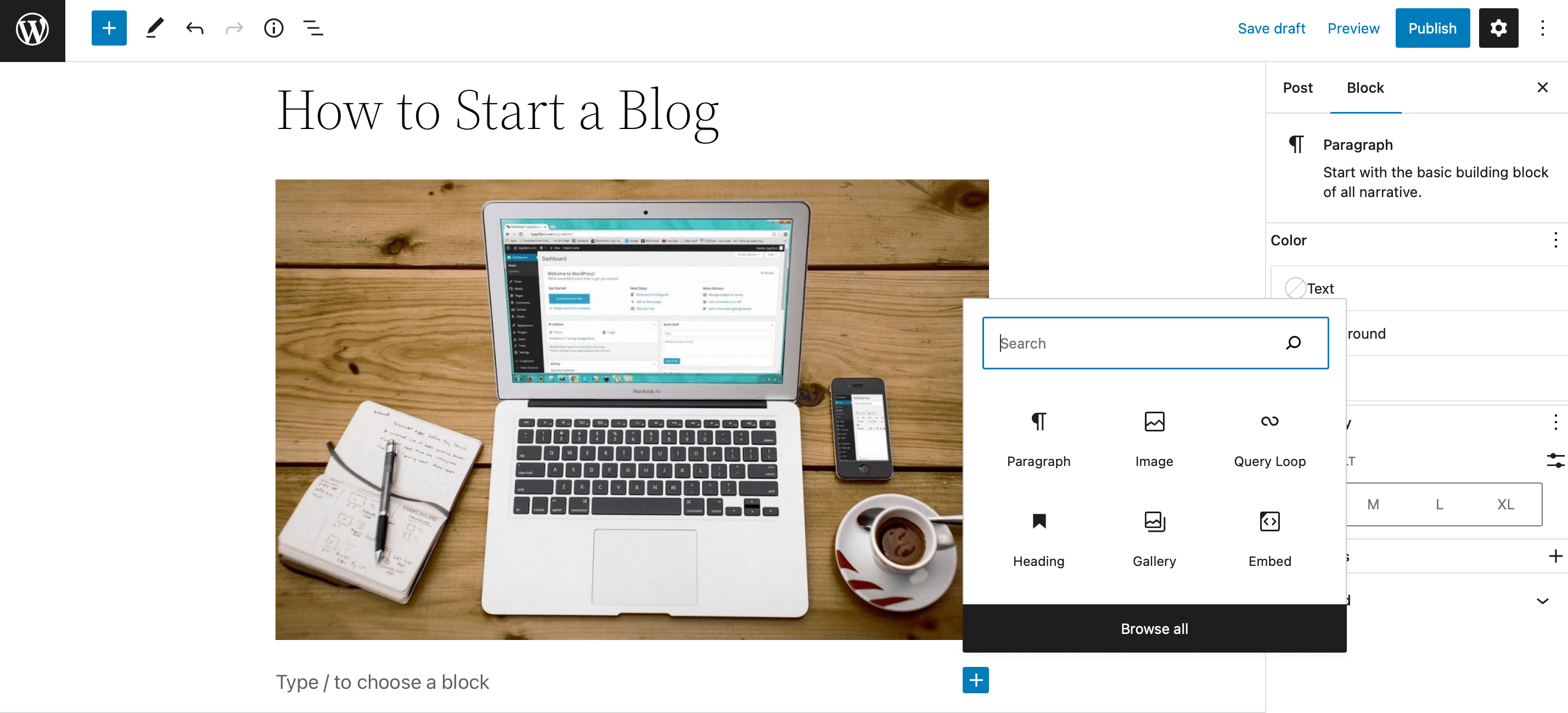
  • How to Add Buy Now Buttons to Your Products

    To decrease abandoned cart rates, you’ll need new ways to optimize your eCommerce store. If there are too many steps required to purchase your products, visitors may just simply leave without buying.

    That’s where Buy Now buttons can simplify the checkout process. By adding a Buy Now button to your products, customers can skip straight to the payment stage. This setup can provide a simpler buyer’s journey, leading to higher conversions.

    In this post, we’ll explain why you might want to add Buy Now buttons to your eCommerce store. Then, we’ll show you how to do this in five simple steps. Let’s get started!

    Why You Should Consider Adding Buy Now Buttons to Your Products

    A Buy Now button is a clickable Call to Action (CTA) on your website that enables customers to purchase a product or service. It immediately initializes the checkout process:

    Buy Now buttons

    If customers have to go through too many steps to purchase your eCommerce products, they may abandon their carts. You can speed up the buyer’s journey with a Buy Now button. After a user clicks on this CTA, they can check out without placing the item in their cart.

    As an eCommerce store owner, you’ll want to place Buy Now buttons on product pages. However, this feature can also be beneficial on landing pages. When customers can go directly from your advertisement to the checkout page, you can increase your conversion rate.

    How to Add Buy Now Buttons to Your Products (In 5 Easy Steps)

    Buy Now buttons can be useful if you’re struggling to improve conversions in your eCommerce store. To help you get started, we’ll show you how to create and customize Buy Now buttons with Easy Digital Downloads!

    Step 1: Install Easy Digital Downloads

    Although there are many different ways to create a Buy Now button in WordPress, the simplest option is to install a plugin. If you sell digital products, we recommend Easy Digital Downloads:

    Easy Digital Downloads plugin

    Easy Digital Downloads is a popular WordPress plugin that makes it easy to sell eCommerce products such as software, music, and videos. With even the free version, you’ll be able to add Buy Now buttons to any of these digital items.

    To get started, install Easy Digital Downloads in your WordPress dashboard. Once you’ve activated it, continue to the next step!

    Step 2: Configure the Plugin’s Payment Settings

    Before creating your first Buy Now button, you’ll need to configure a few settings for Easy Digital Downloads. Firstly, you’ll have to select a supported payment gateway.

    In WordPress, navigate to Downloads > Settings > Payments > Active Gateways. To ensure that the Buy Now button works, select either Stripe or PayPal. These are the only two payment gateways that support the feature:

    EDD payment gateways

    After saving this change, click on the PayPal or Stripe tab. You’ll see different setup instructions based on the payment method you chose:

    PayPal payment gateway

    Connect either your Stripe or PayPal account. Then, click on Save Changes.

    Step 3: Create a Digital Product

    Now it’s time to set up a digital product for your eCommerce store. Click on Downloads > Downloads > Add New:

    New digital product

    This will open an editing page for the new product. You can start by giving the item a title and description:

    Customize digital product

    By default, your product will be available for free. Under Pricing Options, set a custom price:

    Digital product pricing

    Then, you’ll need to upload the product. By opening the Download Files section, you’ll be able to add an uploaded file, URL, or item from the Media Library:

    Digital download file

    Once you’ve customized these settings, customers can view your product. After purchasing it, they will be able to download your eBook, art, or custom software.

    Step 4: Add a Buy Now Button to Your Product

    If you publish your product now, your eCommerce site will display an Add to Cart button. We recommend swapping it for a Buy Now button to improve the customer experience and encourage more purchases.

    In the same editor, open the Download settings on the right-hand side. Then, scroll down to the Button Options:

    Add buy now button

    Under the Purchase button behavior, select Buy Now. This will replace the Add to Cart button with a Buy Now button:

    eCommerce buy now button

    As we mentioned earlier, Buy Now buttons can also be useful on sales or landing pages. Fortunately, Easy Digital Downloads adds a Buy Button block to the WordPress Block Editor. This element lets you insert Buy Now buttons into any page or post.

    After opening one of your site’s pages or posts, insert a new block. Then, search for the EDD Buy Button block:

    EDD buy button block

    In the new block, use the dropdown menu to select your digital product. Once you do this, the block will automatically turn into a Buy Now button:

    Select product download ID

    By navigating to the block settings, you can choose to hide the product’s price. If you select this option, customers will just see the purchase CTA:

    Hide product price

    Once you’re happy with these settings, publish the page!

    Step 5: Customize Your Buy Now Button

    By now, you should have fully functional Buy Now buttons for your eCommerce store. However, you may want to customize them to align with your branding.

    To do this, head to Downloads > Settings > Misc > Purchase Buttons. Here, you can set a custom style and color for the Buy Now button:

    Buy Now button color

    At the bottom of the page, find Buy Now Text. In this field, feel free to change the default text on your Buy Now buttons.

    For example, you might add an exclamation mark to further excite your customers:

    Buy Now text

    Finally, save your settings to update the Buy Now buttons. With this minor feature, you can give your customers a smooth checkout experience!

    Conclusion

    If customers need to follow multiple steps to buy your products, they might leave without completing their orders. However, a Buy Now button can make the checkout process significantly easier and faster. Adding this simple feature can effectively improve User Experience (UX) on your eCommerce website.

    To review, here’s how to add Buy Now buttons to your WordPress products:

    1. Install Easy Digital Downloads.
    2. Configure the payment settings.
    3. Create a digital product.
    4. Add a Buy Now button to your product.
    5. Customize your Buy Now button.

    Do you have any questions about adding Buy Now buttons to your eCommerce store? Ask us in the comments section below!

    The post How to Add Buy Now Buttons to Your Products appeared first on Torque.

  • What is the Creator Economy (And How Can You Join It?)

    In today’s economy, the ability to create is more important than ever. And the rise of the “creator economy” has made it easier for people with creative ideas to share them with the world, and get paid for them.

    But what is the creator economy, exactly? And perhaps more importantly, why should you care about it in the first place? And what on Earth does Web3 have to do with it?

    We’ll endeavor to answer all these questions and more in today’s exploration into the creator economy and how you might take advantage of it for yourself.

    The Creator Economy: A Definition

    creator economy
    Image source:
    ConvertKit/Unsplash

    The creator economy is, quite simply, the idea that people with creative ideas can get paid for their work. Specifically, it’s a rapidly growing sector of the economy that enables individuals to monetize their creative output, often in the form of content. Its main driving factors have been the advancement of technology and the ever-changing landscape of the Internet. And Web 3.0 will allow for even more innovative ways to create, share, and monetize what you do.

    The cool thing about this development is that it has opened up a whole new world of possibilities to make a living doing what you love most. And while it’s not without its challenges, the potential rewards are great. Imagine turning your ideas into a full-fledged business and spending your days getting paid for things you’d happily do for free.

    This is already a reality for creators across a variety of platforms, from YouTube to Instagram. But it’s made even more viable by the promise that Web3 offers.

    What is Web3?

    Web3, also known as the third generation of the Internet, is a shift towards a more decentralized, distributed model. Web2.0, which marked the rise of user generated content, put publishing power in the hands of everyone. However, it also put control over it in the hands of and generated money for a few big players.

    Web3 is poised to upend all that. It’s based on blockchain technology — which powers cryptocurrencies like Bitcoin — and offers users more control over their data while providing better security and privacy. In addition, Web3 gives creators unprecedented control over their content, as well as more opportunities to monetize it.

    blockchain schematic
    Image source: GuerrillaBuzz Crypto PR/Unsplash

    This could be in the form of tokenized rewards, micro-payments, or even crowdfunding initiatives. By using “creator coins,” creatives can reward their fans and followers with tokens they can use to buy products, receive discounts, or gain access to exclusive content. It’s an exciting time for those in the creative industry. It gives you the power to create and monetize your ideas in an entirely new way.

    Why is Decentralized the Way of the Future?

    Decentralized networks offer numerous advantages over centralized models. By distributing user control and data, they provide better security, privacy, and autonomy. Furthermore, they are more resilient to attacks or other disruptions.

    When it comes to creators being able to earn a living, centralized platforms by their nature keep the majority of the creator-generated revenue for themselves. This means people who produce content on platforms like YouTube or TikTok are only getting a percentage of the value they create. For instance, 97.5% of YouTubers don’t make enough money from ad revenue to even reach the poverty line in the United States. And that’s including those who receive at least 20,000 views per day!

    youtube analytics

    That’s why you’ll so often find YouTubers diversifying their income across multiple channels, i.e. YouTube + TikTok + Patreon + merchandising sales, etc. 

    With decentralized models, the creator gets to keep the revenue their content generates. It basically cuts out the middleman. Certainly, the potential to receive fair rewards for their hard work is one of the biggest draws of the creator economy.

    The Creator Economy By the Numbers

    The creator economy is growing rapidly. For example, estimates say that Patreon pays out $25 million each month to its users. And there are over 300,000 streamers that have hit partner or affiliate status on Twitch.

    patreon statistics

    Investors are moving toward decentralized models as well. According to Statista, the use of decentralized finance products and systems is growing in developing regions, pointing to a broader acceptance of cryptocurrency as a legitimate option.

    In short, the creator economy is well on its way to becoming a major global force. And, as more and more creators join in, Web3 looks to play a key role in the transition. With its promise of decentralization and autonomy, it’s not hard to see why. 

    How to Become Part of the Creator Economy

    If you’re interested in joining the creator economy and the Web3 approach to monetization, there are a few steps you can take to get started.

    1. What Will You Create?

    what will you create in the creator economy
    Image source:
    Nubelson Fernandes/Unsplash

    First, decide what type of content you’d like to create. Are you more focused on video, audio, written content, or something else? What topics are you passionate about? What skills do you bring to the table? This will decide which direction you are taking in your creative career.

    Once you have an idea of what kind of content you’d like to go for, the next step is to develop a strategy for getting it out there.

    2. Choose Your Platforms

    Next up, you’ll need to think about the sorts of platforms you’d like to use. Will you focus on running a paid newsletter on Substack? Will you create videos to offer through a service like Patreon? Or, perhaps, you’ll monetize your work through a community token-style setup like Bonfire? Traditional options like YouTube or Instagram are totally valid, too. 

    substack homepage

    The great thing about the creator economy is that you can have multiple platforms in play. It’s a good idea to cast a wide net. Experiment to see which types of content do best on each platform. Then, adjust accordingly as you go.

    3. Start Creating and Building an Audience

    After that, it’s time to begin creating content. Put in the work to produce high-quality content that your audience will be excited to engage with. Don’t forget to promote your work, too — reach out to influencers, use SEO tactics, and create a social media presence when possible.

    creator promotion example

    The goal of all of this is to help you start building an audience for your work.

    4. Monetize Your Content

    Once you have gathered 1000 true fans, you can start monetizing your content. Usually, this may involve using ads, sponsorships, offering access to exclusive content for a fee, or selling merchandise. Web3 also offers additional ways of earning from your content:

    • Community Tokens: Community tokens are digital assets that reward users for being part of a particular community. With them, users can receive rewards and buy items. A popular service for this is CrowdPad.
    • Crowdfunding: Crowdfunding is a great way to raise funds for a specific project or idea. On platforms like Kickstarter and Indiegogo users can donate money to support your work and receive exclusive content and products. The platform takes a cut but the overall premise of the platform is in line with the principles of Web3.
    • Micro-transactions: Micro-transactions are small payments made by users in exchange for access to content. This is already common practice, for example, in video games. For creators, it could involve charging users to watch a video, listen to a podcast, or access exclusive content on your website.
    • NFT Marketplaces: NFT marketplaces are another way to monetize your creative work. On these sites, users can buy digital tokens that represent physical or virtual items. This could include artwork, digital collectibles, music, or even gaming items. In the future, blockchain technology might make it possible for creators to receive royalties even when their work gets sold on.

    5. Creator As a Business

    build a business in the creator economy

    The final step to truly join the creator economy is to thing of yourself as a business. Set goals for yourself and create a plan to achieve them. Track your progress and use analytics to optimize your strategy.

    Thankfully, there’s an increasing number of Web3-compatible tools that make creating content and managing the business side of things easier and more efficient. Let’s take a look at a few categories of tools and the options within them.

    Managing Payments

    When it comes to managing payments, you can of course use services like PayPal or Stripe. However, they take a cut of your revenue for the pleasure. This may be preferable for you at this time, especially when just getting started. However, there is also a growing range of blockchain and cryptocurrency-based payment solutions that would work great:

    • Juno: Juno is a Web3-compatible payment solution that makes it easier for anyone to accept payments in crypto.
    • Earnr: Earnr is a revolutionary, Web3-compatible platform that simplifies the payment process with cryptocurrency, including ERC20 tokens, NFTs, and stablecoins.
    • Karat: Karat is open-source and streamlines payments with Ethereum.

    Creating Content

    The process of content creation has become increasingly decentralized and platforms like these facilitate the effort:

    • Unlock Protocol: Unlock Protocol is a groundbreaking Web3-compatible platform that enables creators to monetize their content in a safe, decentralized environment.
    • Dapper Labs: This platform makes it so you can create and manage digital collectibles.
    • SuperRare: Use this site for showcasing and monetizing your artwork through NFTs.

    Of course, you can use other tools like Canva to create graphics and assets for your online business. 

    Monetizing Music

    You can even directly monetize your music distribution efforts:

    • Audius: Audius is a Web3-compatible platform for musicians to share and monetize their music.
    • Pianity: Use this service for music streaming and monetization.
    • Sonomo: And Sonomo supports music streaming and NFTs as well.

    Listing your music on other centralized platforms is still a good way to get attention for your work. You just might not make a ton of money from them. Think Spotify, Amazon Music, and so forth. 

    Business Management

    Managing your business, from creating content to tracking payments, can be a daunting task. Thankfully, there’s an increasing number of Web3-compatible tools available that make it easier and more efficient.

    • Popchew: Popchew allows you to manage your business operations, including invoices, payments, and customer relationships.
    • Pietra: This platform is ideal for tracking and managing all parts of your business.
    • uDroppy: Manage digital commerce operations, from inventory to payments, with this convenient system.

    Building Communities

    Web3 can also make it easier to build a (paying) community around your content:

    • Moment House: Moment House is a Web3-compatible platform for streamers and creators to build communities, promote events, and monetize their content.
    • Boomerang: Another service for community building and engaging with your followers.
    • talkbase: Here’s a platform ideal for streamers and other creators.

    Design Tasks

    These platforms and services decentralize design and provide greater avenues of collaboration:

    • Fable: Fable is intended for managing design tasks, from asset creation to collaboration.
    • snappa: You can use this service for creating and editing graphics quickly and easily.
    • Bildr: You can use this platform to create, edit, and share visual assets.

    Final Thoughts on the Creator Economy

    The creator economy is an exciting and empowering way for creative people to make a living from their ideas online. While options for that have been around for a while, future developments look to make it easier and more profitable for individuals.

    With the right strategy, you can take advantage of this trend and turn your passion into a profitable business. A growing number of tools seeks to assist you in your endeavors. Now that you know what they are, what are you waiting for? Get out there and start creating!

    Are you going to jump headfirst into Web3 and decentralized content creation? Are there any platforms that particularly excite you? Feel free to share your thoughts below!

    The post What is the Creator Economy (And How Can You Join It?) appeared first on Torque.

  • 5 Best High-Ticket Dropshipping Products in 2023

    If you’re a digital entrepreneur, you’ve likely heard of dropshipping. It eliminates the middleman ‘distributor’ by outsourcing order fulfillment and delivery to let you make a semi-passive income. However, it can be difficult to turn a sizable profit using this business model.

    Fortunately, you can drastically increase your returns when you opt for high-ticket dropshipping products. From electronics to outdoor equipment, selling the right items for the right prices can make a huge difference.

    In this post, we’ll introduce you to high-ticket dropshipping. Then, we’ll share some of the best and most profitable niches and products that you may want to consider. Let’s get started!

    An Introduction to High-Ticket Dropshipping

    Before we discuss some of the best high-ticket dropshipping products of the year, let’s briefly go over dropshipping more broadly.

    In this model, an online store owner manages a website with a catalog of products. When they receive orders, they send them directly to the manufacturer, a wholesaler, or another third-party service to complete them:

    Ecommerce store example

    That means the eCommerce store owner doesn’t have to deal with storage, shipping, or the other hassles of managing a brick-and-mortar business. Due to this simplified structure, dropshipping can be highly appealing to aspiring digital entrepreneurs hoping to generate more passive income.

    In fact, dropshipping is growing in popularity, and the value of this market is expected to reach over $476 billion by the end of 2026. Furthermore, it’s highly accessible due to Content Management Systems (CMS) such as WordPress and Shopify.

    High-ticket dropshipping involves focusing on products with higher price tags, like appliances or furniture. On the contrary, low-ticket items might include toys, sunglasses, or budget jewelry. If you choose high-ticket dropshipping, your profit margins should be higher, even if you sell a lower volume of items.

    5 Best High-Ticket Dropshipping Products in 2023

    Now that you know more about this online business model, let’s discuss some of the best high-ticket dropshipping products in 2023! We’ll be covering a few products within five of the best niches.

    1. Home Appliances

    There is no set price range for low and high-ticket items because this definition is ultimately subjective. However, each item certainly falls on a spectrum.

    One category of products ideal for high-ticket dropshipping (albeit on the lower end of the scale) is appliances. This niche might include everything from a high-end air fryer to a luxury espresso machine:

    Espresso makers are one of the best high ticket dropshipping products

    As you can see in the above example, this product falls between $250 and $500. That’s significantly more than what you’d get for children’s toys or fast fashion items. And that’s just in the kitchen alone!

    Here are a few more high-ticket dropshipping appliances you may want to consider selling:

    • Washing machines and dryers
    • Refrigerators
    • Vacuum cleaners

    While these are some of the most common examples, you could even provide your customers with more niche items, like fireplaces or pizza ovens.

    2. Furniture and Interior Design

    Other excellent options for high-ticket products are furniture and interior design. The great thing about these niches is that the possibilities are almost endless.

    From sofas and beds to lamps and chandeliers, this vast category will likely make it easy to find wholesalers or manufacturers to partner with. What’s more, customers tend to be more willing to invest in furniture and design products, so you don’t have to be afraid of a high price tag:

    Overstock.com is a dropshipping business that sells furniture and other home foods

    In addition to indoor and even outdoor furniture, you can keep the ‘home’ theme going by selling other high-ticket decor. For instance, why not focus on paintings, vases, and rugs?

    3. Sports Equipment

    Next up on our list of the best high-ticket dropshipping products is sports equipment. While this niche may not be the obvious choice, many recreational activities involve more expensive items.

    For instance, snowboards, skis, and even surfboards come with hefty price tags:

    Buy surfboards online

    Additionally, you could appeal to popular extreme sports such as kite surfing, windsurfing, and stand-up paddle boarding.

    Since this category is admittedly a bit more limited, you could always fill out your online catalog with some low-ticket accessories. For example, you might sell snowboard helmets, gloves, and boots.

    4. Landscape and Gardening Supplies

    Many high-ticket dropshipping products are related to houses and home improvement. So, it should be no surprise that landscape and gardening supplies are next on our list:

    Buy landscape and gardening products online

    A dropshipping business in this niche could sell the following products:

    • Lawn mowers
    • Leaf blowers
    • Sheds

    Again, you could then pair these products with lower-ticket items like soil, grass, and flowers. However, keep in mind that you’ll need to partner with high-quality and dependable suppliers when dealing with a ‘live’ product like plants.

    5. Electronics and Tech Gadgets

    Finally, electronics and tech gadgets are some of the best high-ticket dropshipping products. This niche has plenty of potential since many shoppers are increasingly fascinated with the latest and greatest tech goodies:

    An online store selling headphones

    If you choose to dropship this type of item, here are a few products that you might consider:

    • Smartphones and smartwatches
    • Earbuds and headphones
    • Virtual Reality (VR) headsets
    • Cameras

    In addition, consider selling less common (but equally popular) products such as electronic bikes and scooters. These niche items will help you appeal to a broader range of customers.

    Conclusion

    Dropshipping can be a highly lucrative online business. However, the business model might not be worth your time if you’re working with low-ticket items. Fortunately, carefully selecting high-ticket products can transform a flailing dropshipping company into a success.

    To recap, here are five of the best high-ticket dropshipping niches in 2023:

    1. Home appliances
    2. Furniture and interior design
    3. Outdoor and sports equipment
    4. Landscape and gardening supplies
    5. Electronics and tech gadgets

    Do you have any questions about the best high-ticket dropshipping products this year? Let us know in the comments section below!

    The post 5 Best High-Ticket Dropshipping Products in 2023 appeared first on Torque.

  • Define Your Target Audience: 15 Tips and Tools to Reach Clients

    If you’re like most people running a business, you probably don’t have a lot of time to waste. The last thing you want to do is spend months creating a product or service that no one wants to buy. So how do you know if your idea is even worth pursuing? The answer: properly define your target audience.

    Defining and understanding who you are creating something for is essential for any business owner. But figuring out how to go about doing that might seem a tad confusing at first.

    Thankfully, we’ve gathered a variety of tips about how to define a target audience in one place. In addition, we have rounded up some of the best tools available to assist you — so you can make your next move with confidence.

    What is a Target Audience and Why Does It Matter?

    define target audience

    Your target audience is the group of people that are most likely to become consumers of your product or service. Knowing your target audience helps you craft messaging and commodities that meet their needs. Doing so makes it easier to attract them as customers and, ultimately, make more sales.

    Often, people will conflate the ideas of target audience and target demographics (or target market). While they are related, it’s important to understand the difference between them.

    • Target demographics refer to a set of characteristics that define an individual or group. Often, these can include age, gender, marital status, education level, job title, and income level.
    • Target audience, on the other hand, is more focused on understanding a person’s needs and interests. It takes into consideration things like lifestyle, values, and motivations.

    Knowing your target audience helps you understand what they need. This helps you get the most out of your efforts, while also ensuring that you will find customers.

    With target audience information, you can then create customer personas. These are detailed profiles of the ideal customer that can help you make more informed decisions about your business. Personas also help you develop content, create campaigns, and send targeted messages to the right people.

    buyer persona example
    Image source:
    HubSpot

    How to Define Your Target Audience  

    So how do you define your target audience? It’s actually a lot easier than you might think.

    1. Examine Your Current Customers

    Take a look at your current customer base. Why do they choose to buy from you? What are their needs, wants, and motivations?

    You can source this information through social media, analytics, surveys, and audience measurement tools – which we’ll discuss later. Knowing it can help you determine who else may be interested in what you have to offer.

    Also look at what campaigns have been successful in the past. This can provide useful insights for your current and future marketing efforts.

    2. Use Surveys and Interviews to Gather Data

    customer survey example

    Surveys and interviews can provide insight into the true needs and desires of potential customers. They let you ask questions that will help you narrow down your target audience. A few things you might want to inquire about include:

    • What do you like and dislike about products or services in your industry?
    • How likely are you to buy a product or service in your industry?
    • What features or benefits are most important to you when making a purchase?
    • What are your biggest challenges or pain points?

    3. Perform Market Research

    Market research helps you get a better understanding of what your target audience is looking for. You’ll want to examine things like age, gender, location, as well as purchasing habits. This can help you better tailor your messaging and product offerings to this specific group of people. Tool tips for this step are coming up soon.

    4. Look at Competitor Analysis

    Studying the tactics of your competitors can help you uncover potential opportunities for your own company. Knowing who they’re targeting and how they’re going about it can give you a better understanding for your own efforts.

    competitive analysis example
    Image source:
    ahrefs

    5. Identify Your Ideal Customer

    Once you’ve gathered all of your research, it’s time to identify your ideal customer. This is the person you want to target with your product or service. Write down who they are and what motivates them, so you can tailor your offerings accordingly. A few other things to make note of include:

    • What are their pain points?
    • How do they like to be communicated with?
    • What type of messaging resonates with them?
    • What channels should you use to reach them?

    6. Identify Who Your Ideal Customer is Not 

    While it’s important to define who you should target, it’s just as important to figure out who you shouldn’t. Identifying who your ideal customer isn’t can help you save time and money that you are not spending on trying to attract the wrong people. A few key attributes to make note of include:

    • Demographics: The age, gender, and location – to start – of those who wouldn’t buy your product or service.
    • Purchasing habits: The general price point and quality standards that don’t apply to your target audience.
    • Interests: The general categories of interests that your target audience couldn’t be bothered with. 
    • Previous experiences: Life experiences that don’t apply to your target audience. For instance, if your product is geared toward college students, your target audience likely doesn’t include homeowners or parents. 

    There will be exceptions to these attributes, of course, but your goal here is to generalize. 

    7. Monitor and Analyze Your Customer’s Habits and Preferences

    Once you’ve identified your target audience, it’s time to start tracking their habits and preferences. Monitor their behavior and track user engagement in order to refine your marketing tactics and ensure you’re meeting their needs. You can do this by keeping an eye on social media conversations, Google search trends, and by using one or more tools designed to help you keep track of user behavior.

    google trends competitor comparison

    By using the tips above, you can accurately define your target audience. Even so, carrying out these steps is a challenge without the right tools on hand. So let’s talk about that next.

    Tools for Defining Your Target Audience More Efficiently

    Here are some excellent tools that can help you define your target audience more efficiently. Let’s take a look at some of them now. 

    1. SparkToro

    define target audience with sparktoro

    SparkToro is a great audience research tool. It lets you see what websites your customers go to and what social media accounts they interact with the most. SparkToro also provides info on the hashtags your customers use, whose content they reshare, and so forth. Knowing this, you can meet them where they’re at.

    This tool can give you a better understanding of not only who your target audience is, but also what motivates them. All you need to do is plug in the topic you’re researching and SparkToro will generate an audience report with all the relevant data.

    2. Google Analytics

    google analytics 4 realtime menu

    Google Analytics is a great tool for understanding who your target audience is. It gives you insight into website traffic and user behavior. You can also see which demographics are the most engaged with your content. Plus, analytics help you track user engagement and conversions so you can identify areas of opportunity. 

    3. Built-In Social Media Analytics

    Many social media platforms have built-in analytics tools. They allow you to track how your content is performing and who’s engaging with it. Use them to narrow down your target audience and see which demographics are most likely to respond to your content.

    For instance, Facebook offers Audience Insights, which provides details into the types of people you should target. Similarly, Instagram insights can provide valuable data on who’s interacting with your account and what kind of content they respond to best.

    4. Quantcast Measure

    define target audience with quantcast measure

    Quantcast Measure is a powerful audience measurement tool. It helps you understand who’s visiting your website, what they’re looking for, and how they found you. The tool can even tell you where your visitors are located so you can tailor your offerings accordingly.

    Once you set up an account, Quantcast Measure will give you detailed information on your visitors’ age, gender, and interests. This allows you to further refine your target audience and make sure your content aims at the right people.

    5. SurveyMonkey

    define target audience with surveymonkey

    SurveyMonkey is a great tool for conducting surveys among your target audience. For example, you can collect feedback from your current customers as well as potential ones. This is helpful for learning more about their preferences.

    To get started, just create a survey with questions related to your product or service. Then, send it out and analyze the results. You can also use SurveyMonkey to create polls and quizzes to further engage your target audience.

    6. Audiense

    define target audience with audiense

    Next up is Audiense. It’s a data-driven tool that helps you identify, analyze, and engage with your preferred customers. The software allows you to segment and target specific demographics. Doing so lets you adjust your content marketing to the needs of your customers.

    Audiense titles itself as an audience intelligence platform, which is an apt description considering its comprehensive range of features. You can use the data collected to make decisions about multiple aspects of your business from keyword research and content generation to persona building and influencer outreach.

    7. SEMRush

    define target audience with semrush

    SEMRush is a powerful tool to identify keywords and phrases related to your target audience. It also provides insights into competitor activities, so you can adjust your strategy accordingly. This tool is especially useful for search engine optimization (SEO). It helps you rank your website higher in search engines for the keywords your target audience is definitely searching for. 

    8. Keyhole

    define target audience with keyhole

    Keyhole is a social media report building tool that helps you analyze and track your online presence. It can identify influencers in your niche, as well as monitor hashtags and keywords related to your target audience.

    Keyhole also helps you spot the right opportunity to promote your brand and get in front of potential customers at the moment they’re looking for what you have to offer. It even incorporates competitor analysis for further refining your target audience.

    Get to Know Your Target Audience With These Tools and Tips

    Knowing who exactly you are trying to attract is essential for your marketing efforts. By getting to know your target audience inside and out, you avoid creating the wrong content, products, and message. Doing so will save you money, time, and effort down the line.

    Ultimately, with the help of the data-driven tools above, you can gain a detailed picture of your ideal customers and what they respond to best. While it’s possible to collect a lot of this information by hand, having tools that aggregate it automatically makes things a lot easier.

    However, tools and research can only do so much. The key is to actually use the knowledge to improve your products and business.

    Will you be using any of the tips or tools outlined here today? Did we miss your favorite? Feel free to let us know!

    The post Define Your Target Audience: 15 Tips and Tools to Reach Clients appeared first on Torque.